
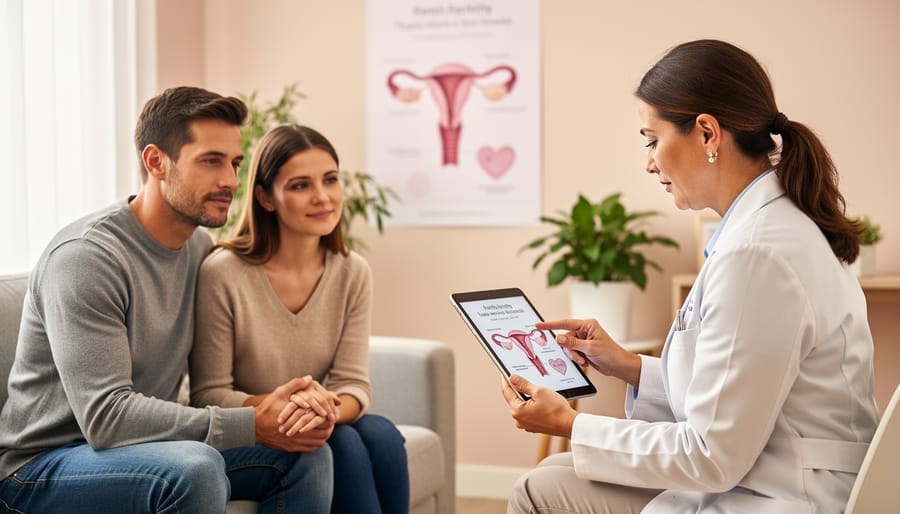
Understanding the human female reproductive tract is one of the first steps in making sense of your fertility journey. When you’re trying to conceive or facing challenges getting pregnant, knowing how your body works can transform confusing medical conversations into empowering knowledge that helps you advocate for yourself and make informed decisions.
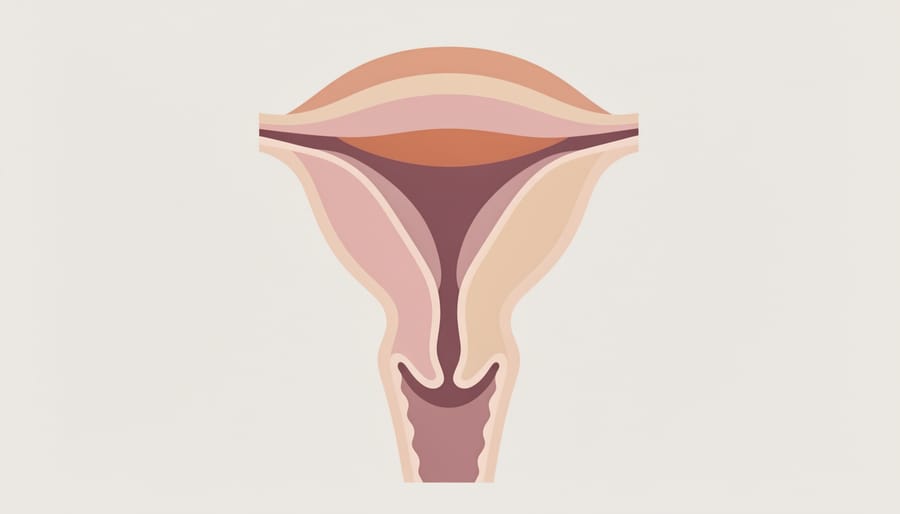
Your reproductive tract is a remarkably coordinated system of organs working together to make conception possible. It includes the ovaries, which release eggs and produce essential hormones; the fallopian tubes, where fertilization typically occurs; the uterus, where a fertilized egg implants and grows; the cervix, which acts as a gateway between the uterus and vagina; and the vagina itself. Each component plays a specific role in the process of conception, and understanding how they connect gives you insight into what might be happening when things don’t go as planned.
If you’ve received test results mentioning these structures or if you’re preparing for fertility treatment, this anatomical knowledge becomes immediately practical. You’ll better understand why certain tests examine specific organs, why treatments target particular areas, or why your doctor asks certain questions during examinations. Many people find that learning about their reproductive anatomy reduces anxiety and helps them feel more in control during a process that can otherwise feel overwhelming.
The journey through fertility challenges affects millions of people, and you’re not alone in seeking this information. Whether you’re just beginning to explore why conception hasn’t happened yet or you’re deep into treatment, understanding your reproductive tract creates a foundation for everything that follows.
The Anatomy of the Human Female Reproductive Tract: A Clear Overview
Think of your reproductive tract as an interconnected pathway designed for a single purpose: creating the conditions where conception can happen. Each structure along this path has a specific job, but they work together in a carefully timed sequence that repeats roughly every month.
Let’s start at the beginning of the pathway. The vagina is more than just an opening, it’s an elastic, muscular canal that connects your external body to your internal reproductive organs. During fertile days, it becomes a protective corridor that helps sperm survive the journey toward the egg. The vagina’s pH balance and microbiome play quiet but important roles in keeping sperm viable as they travel upward.
At the top of the vagina sits the cervix, the narrow gateway to your uterus. This small structure does remarkable work. Throughout your cycle, glands in the cervix produce different types of mucus, thick and impenetrable most of the time, but stretchy and welcoming around ovulation. The cervix doesn’t just guard the entrance to your uterus; it actively filters and guides sperm when conditions are right.
Beyond the cervix is the uterus itself, a pear-shaped organ with muscular walls and an inner lining called the endometrium. Think of the uterus as having two jobs: first, it provides a pathway for sperm traveling upward toward the fallopian tubes. Second, if conception occurs, its carefully prepared lining becomes home for a developing pregnancy. The endometrium thickens and enriches with blood vessels each cycle in anticipation of possible implantation.
Extending from either side of the uterus are the fallopian tubes, delicate structures lined with tiny, hair-like projections called cilia. These aren’t passive corridors. When your ovary releases an egg, the tube actively captures it, then creates the exact environment where fertilization typically happens. The cilia and muscular contractions work together to move a fertilized egg toward the uterus over several days.
Finally, the ovaries anchor this entire system. These almond-sized organs house all your eggs and produce the hormones, primarily estrogen and progesterone, that orchestrate your cycle. Each month, one ovary typically releases a mature egg, triggering the hormonal signals that prepare your cervix, uterus, and tubes for possible conception.
When fertility challenges arise, the issue often isn’t a single broken part but a disruption in how these structures communicate and coordinate. Understanding this interconnected system helps you make sense of test results, treatment options, and your own body’s signals.
How Your Reproductive Tract Supports Conception
The Role of Cervical Mucus
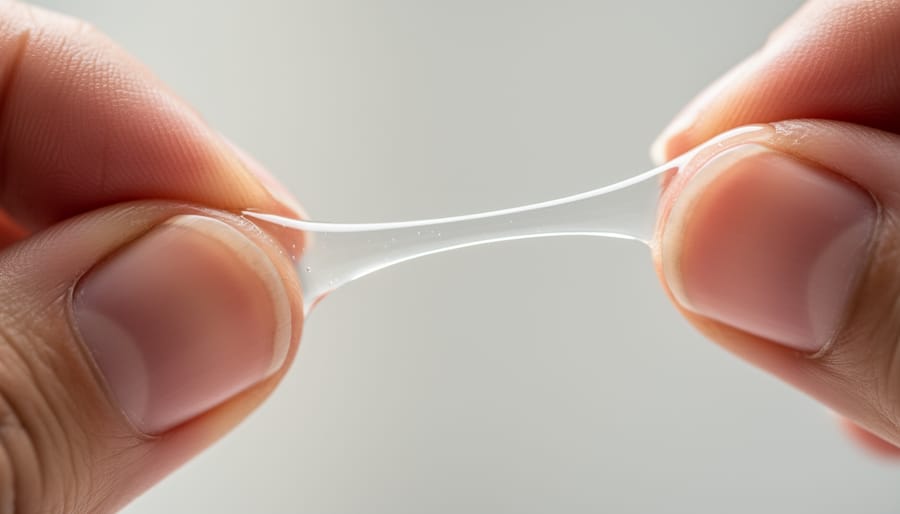
Cervical mucus is one of your body’s most reliable fertility signals, yet many people don’t realize they can observe it. Throughout your menstrual cycle, the cervical mucus changes in consistency and amount in response to hormone fluctuations. Right after your period, you might notice very little mucus. As ovulation approaches, it becomes more abundant, slippery, and clear, often compared to raw egg white. This “fertile window” mucus helps sperm survive and swim through the cervix toward the egg.
To check your own cervical mucus, wash your hands and gently collect a small sample from your vaginal opening with clean fingers. Notice the texture: does it stretch between your fingers? Is it sticky or slippery? Tracking these patterns for a few cycles can help you identify your most fertile days. While cervical mucus alone won’t guarantee conception, understanding your pattern gives you valuable insight into your cycle and helps you time intercourse or raise concerns with your doctor if you never notice fertile-quality mucus.
When the Fallopian Tubes Matter Most
The fallopian tubes serve as the meeting place where sperm and egg come together. Each month, a mature egg released from your ovary is swept into the tube by finger-like projections called fimbria, where it waits for fertilization. The tube’s muscular walls and hair-like cilia then gently move the fertilized embryo toward the uterus over several days. When tubes are damaged or blocked, this journey becomes difficult or impossible.
About 30% of female infertility cases involve tubal issues. Conditions like pelvic inflammatory disease, endometriosis, previous ectopic pregnancy, or pelvic surgery can create scar tissue that damages or blocks the tubes. Sometimes a tubal blockage prevents meeting and fertilization entirely, while partial damage may increase the risk of ectopic pregnancy when the embryo implants in the tube itself.
If you have tubal issues, your fertility specialist can assess the extent of damage through tests like an HSG. While severe tubal damage typically makes natural conception unlikely, IVF bypasses the tubes entirely by placing the embryo directly in your uterus. Some situations may benefit from tubal surgery, though IVF often offers better success rates. Your diagnosis isn’t the end of your path to parenthood, just information that helps determine your best route forward.
The Uterine Environment and Implantation
Even with a perfectly timed fertilization, conception isn’t complete until the embryo successfully implants in your uterus. The uterine lining (endometrium) doesn’t just passively receive an embryo, it undergoes a precisely timed transformation to become receptive, a window that typically lasts only a few days after ovulation.
During the first half of your cycle, estrogen thickens the endometrium, building a nutrient-rich lining. After ovulation, progesterone from the corpus luteum transforms this tissue, creating the ideal conditions for an embryo to attach and burrow in. This process, called endometrial receptivity involves complex molecular signaling between the embryo and your uterine lining.
When implantation doesn’t happen as expected, it’s rarely about one single factor. Hormonal imbalances, thin endometrial lining, inflammatory conditions, or timing mismatches can all play a role. This is why fertility specialists often assess both your hormone levels and endometrial thickness during treatment cycles. Understanding these factors helps you and your doctor create the most supportive environment possible, whether you’re trying to conceive naturally or through assisted reproduction.
Common Conditions Affecting the Reproductive Tract
Learning you have a condition affecting your reproductive tract can feel overwhelming, especially when you’re already navigating the uncertainty of fertility challenges. These diagnoses are common, and while they explain some of the “why” behind your journey, they don’t determine your outcome.
Endometriosis occurs when tissue similar to your uterine lining grows outside the uterus, on the ovaries, fallopian tubes, or pelvic surfaces. It affects roughly one in ten women of reproductive age and can cause painful periods, pelvic pain, and fertility difficulties. The inflammation and scar tissue it creates can interfere with egg release, sperm movement, or embryo implantation. Many women with endometriosis do conceive, particularly with treatment that ranges from hormonal management to surgical removal of endometrial tissue.
Uterine fibroids are non-cancerous growths in the uterine muscle that affect up to 70% of women by age 45. Most fibroids don’t impact fertility at all, but those that distort the uterine cavity or block the fallopian tube openings can interfere with implantation or increase miscarriage risk. Location matters more than size. Your doctor can determine whether your specific fibroids need treatment through imaging and assessment of your symptoms.
Polyps are soft growths on the endometrial lining, typically benign and often symptom-free. They can cause irregular bleeding and may reduce implantation success if they occupy space in the uterine cavity. Removing polyps through a simple outpatient hysteroscopy often improves fertility outcomes, particularly for women undergoing IVF.
Polycystic ovary syndrome (PCOS) primarily affects ovulation, but its hormonal imbalances can also influence the uterine environment and cervical mucus quality. Women with PCOS often have irregular cycles due to infrequent or absent ovulation, yet many conceive with medications that stimulate egg release or through assisted reproductive treatments.
Tubal issues range from partial blockages to complete closure, often caused by previous infections (like chlamydia), endometriosis, or pelvic surgery. Blocked or damaged tubes prevent sperm from reaching the egg or keep a fertilized embryo from traveling to the uterus. A hysterosalpingogram (HSG) test identifies these problems. Some blockages respond to surgical repair, while others make IVF the more effective path since it bypasses the tubes entirely.
Structural abnormalities in the reproductive tract, like a septate uterus (a wall of tissue dividing the cavity) or a bicornuate uterus (heart-shaped), are usually present from birth. Many women with these variations carry pregnancies successfully without even knowing they have them. When they do cause recurrent miscarriage or implantation problems, surgical correction is sometimes possible.
What matters most is getting an accurate diagnosis and understanding which aspects of your specific condition actually affect your fertility. Not every fibroid needs removal. Not every case of PCOS requires aggressive intervention. Your reproductive endocrinologist can help you distinguish between conditions that need treatment and those that simply need monitoring as you move forward with your conception plans.
What Your Doctor Looks for During Fertility Evaluations
When you start working with a fertility specialist, they’ll want to get a clear picture of your reproductive tract’s health and function. Think of these evaluations as a roadmap, each test reveals something specific about different parts of your anatomy and how well they’re working together.
A transvaginal ultrasound is typically one of the first steps, and it’s much less intimidating than it sounds. Using a slender wand with sound waves, your doctor can see your ovaries, count developing follicles, check your uterine lining thickness, and spot structural issues like fibroids or cysts. This painless procedure happens right in the office and gives immediate visual information about your reproductive organs. You might have several throughout your cycle to track ovulation timing and endometrial development.
The hysterosalpingogram, or HSG, specifically examines your uterine cavity and fallopian tubes. During this x-ray procedure, a contrast dye flows through your cervix into your uterus and tubes, showing whether the tubes are open and revealing any uterine shape abnormalities. Many women worry about discomfort, and while experiences vary, taking ibuprofen beforehand and breathing through the brief procedure helps. The information is invaluable, blocked tubes completely change treatment recommendations.
If your HSG or ultrasound raises questions, a hysteroscopy lets your doctor look directly inside your uterus using a tiny camera. This can diagnose polyps, fibroids, scar tissue, or a uterine septum that imaging alone can’t fully assess. Many minor issues can be treated during the same procedure, potentially improving your chances without additional surgery.
The standard pelvic exam, while routine, still matters. Your doctor checks for tenderness, masses, or anatomical variations that might affect fertility. They’re also assessing cervical health and position.
None of these tests defines your fertility potential, they simply provide information to create the most effective path forward. Some reveal easily treatable issues, others confirm everything looks fine and redirect focus elsewhere, and some identify challenges that modern fertility treatment handles routinely. Understanding what each evaluation shows helps you participate actively in decisions about your care rather than feeling like a passive patient undergoing mysterious procedures.
Taking Care of Your Reproductive Health
Taking care of your reproductive health isn’t about achieving perfection. It’s about making informed choices that support your body while being gentle with yourself during this journey.
Your lifestyle does influence reproductive tract health, though it’s just one piece of a complex puzzle. Regular exercise helps maintain healthy hormone balance and circulation to reproductive organs, but you don’t need an intense fitness regimen. Moderate activity like walking, swimming, or yoga can be enough. Good nutrition matters too, particularly foods rich in folate, iron, and antioxidants, which support cellular health throughout your reproductive system. Staying hydrated helps maintain cervical mucus production and overall tissue health.
Managing stress won’t cure infertility, but chronic stress can affect your cycle and hormone levels. Find what genuinely helps you, whether that’s meditation, time in nature, creative pursuits, or therapy. This isn’t about adding pressure to relax; it’s about finding sustainable support.
Here are practical ways to support your reproductive health and know when to reach out for specialized care:
- Track your menstrual cycle to notice changes in length, flow, or symptoms that might signal issues
- Schedule annual well-woman exams even when everything feels normal
- Don’t ignore persistent pelvic pain, painful periods, or unusual bleeding patterns
- Consult a reproductive specialist if you’re under 35 and haven’t conceived after 12 months of trying, or if you’re over 35 after 6 months
- Avoid douching, which disrupts the vaginal microbiome and can increase infection risk
- Practice safer sex to reduce STI risk, which can affect tubal health
- Discuss your fertility goals with your doctor before starting or stopping any medications
Advocating for yourself means trusting your instincts when something feels wrong. If a doctor dismisses your concerns, you’re allowed to seek a second opinion. If a diagnosis feels incomplete, ask questions. Your reproductive health deserves attention and respect, regardless of whether you’re actively trying to conceive right now or planning for the future.
Remember that supporting your reproductive tract health is valuable beyond fertility outcomes. These practices benefit your overall wellbeing, which matters in itself.
Understanding your female reproductive tract isn’t just about anatomy. It’s about reclaiming agency in a journey that can often feel out of your control. When you know how your cervix changes throughout your cycle, what your fallopian tubes need to function properly, or why your uterine lining matters, you’re not just gathering facts. You’re building the foundation to ask better questions, make informed decisions, and recognize when something deserves attention.
If you’re facing fertility challenges, this knowledge won’t erase the hard days. The disappointment, the waiting, the uncertainty, those are real, and they’re allowed to take up space. But understanding your body can shift how you move through those moments. It can help you feel less like a passenger and more like an active participant in your care.
You don’t have to navigate this alone. Whether you’re just starting to explore your fertility or you’re deep into treatment, connecting with others who understand can make all the difference. The Infertility Awareness Association of Canada offers resources, support networks, and a community of people who get it, the hope, the heartbreak, and everything in between.
Your reproductive tract is complex and remarkably resilient. Whatever your next step looks like, whether it’s scheduling that first appointment, seeking a second opinion, or simply giving yourself permission to rest, you’re already doing the work. Trust yourself. Reach out when you need to. And remember that your path forward is yours to define.