

Couple sitting together in a fertility clinic reception area, holding paperwork while preparing for infertility treatment.

How Much Do Infertility Treatments Cost? Low-Cost Options for 2026

In Canada, the average cost of infertility treatment spans a wide range: intrauterine insemination (IUI) averages $1,283, while in vitro fertilization (IVF) runs an average of $13,454 per cycle, and surrogacy can reach $84,000. These numbers represent more than medical procedures. They’re the financial reality standing between you and the family you’re working to build.
Key Takeaway: Infertility treatment costs in Canada vary widely, from an average of $1,283 for IUI to $13,454 for IVF, with medication, clinic choice, and additional procedures significantly affecting your total …
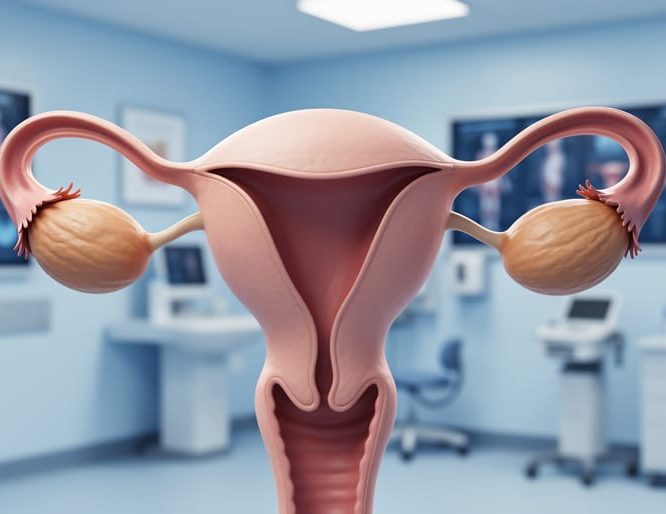
Clinical non-graphic depiction of the ovaries beside the uterus, illustrating where eggs are produced in the female reproductive system.

What Produces Eggs in the Female Reproductive System (and How Does It Work)?

The ovaries produce eggs in the female reproductive system. These almond-sized organs, located on either side of the uterus, are responsible for storing and releasing the oocytes (immature egg cells) that make conception possible.
Understanding how your ovaries function isn’t just biology trivia. For anyone navigating fertility challenges, tracking cycles, or exploring conception options, knowing what happens inside these small but powerful organs can help you make informed decisions about your reproductive health. The ovaries don’t just release eggs; they also produce the hormones that regulate your menstrual cycle and …

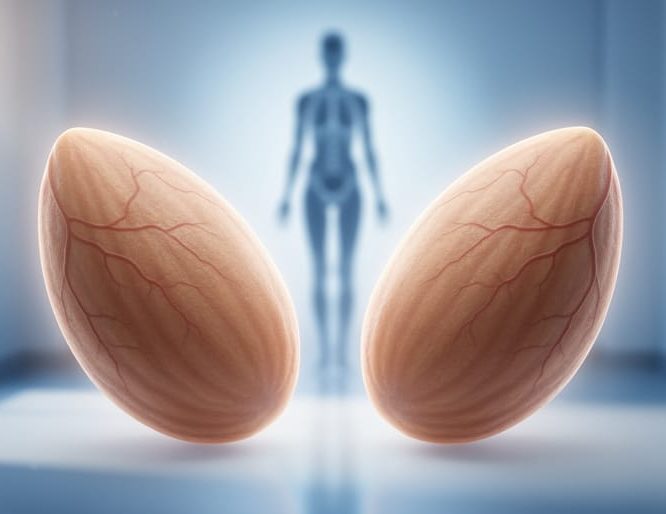
Close-up view of two almond-shaped ovaries highlighted in a clean medical-themed background to represent fertility and reproductive function.

Your Ovaries and Beyond: What Your Primary Reproductive Organs Actually Do for Fertility

The primary female reproductive organs are the ovaries, two almond-shaped glands that produce eggs and the hormones estrogen and progesterone. These organs sit at the center of your reproductive system, quietly orchestrating the monthly cycle that makes conception possible. Understanding how they function isn’t just biology lesson material. It’s foundational knowledge that can transform your fertility journey from one of confusion to one of informed empowerment.
If you’ve been trying …

Person’s hands resting on a neutral medical desk next to a blank anatomical reference card, conveying supportive learning about the female reproductive tract.

Understanding Your Female Reproductive Tract: What It Means for Your Fertility Journey

Understanding the human female reproductive tract is one of the first steps in making sense of your fertility journey. When you’re trying to conceive or facing challenges getting pregnant, knowing how your body works can transform confusing medical conversations into empowering knowledge that helps you advocate for yourself and make informed decisions.
Your reproductive tract is a remarkably coordinated system of organs working together to make conception possible. It includes the ovaries, which release eggs and produce essential hormones; the fallopian tubes, where fertilization typically occurs; the uterus, where a …

Eye-level close-up of two adults with different skin tones sitting side by side in a clinic waiting room, hands gently intertwined, with soft daylight and blurred chairs and a plant in the background, conveying empathy and support.

Why Infertility Awareness Week Matters More Than Ever

Every year, one in eight couples faces the heartbreak of infertility, yet their struggles often remain invisible, hidden behind closed doors and unspoken pain. National Infertility Awareness Week, observed during the last full week of April, exists to change that narrative by breaking the silence surrounding this deeply personal journey that affects millions worldwide.
This weeklong initiative serves as a powerful reminder that infertility is not a solitary battle but a shared experience deserving of recognition, understanding, and support. Since its establishment by RESOLVE: The National Infertility Association in 1989, this …

Close-up of an unbranded THCa vape pen with clear cartridge on a wooden nightstand, with a softly blurred couple holding hands near a window in the background under natural light.
Featured

What THCa Vaping Does to Your Fertility (Before You Hit That Cartridge)

If you’re vaping THCa while trying to conceive, understand that research on cannabis compounds and fertility is still emerging—but what we know suggests caution is warranted. Whether you’re using THCa vapesfor pain management, stress relief, or other reasons, you deserve clear, judgment-free information about how they might affect your fertility journey.
The conversation around cannabis and conception isn’t simple. Many people turn to THCa for legitimate health concerns—chronic pain, anxiety, or inflammation—that also …

Featured

Infertility Treatment Options That Are Low Cost

Infertility doesn’t automatically mean that your only option is In Vitro Fertilization (IVF). Several low-cost treatment options are available out there for you that are not as expensive and invasive as IVF. Many people accept the fact that IVF is the only way to have a baby, but that is not true.
What are the tests to undergo before considering treatment?
Before treatment, your doctor may advise you to undergo tests for hormonal balance, ovarian function, and general health. For women, early detection and intervention of increased prolactin levels and thyroid disease can bring back the reproductive system to normal….

Featured

When Is the Right Time to End Fertility Treatments?

You may have undergone many cycles of different treatments, but you have not conceived and brought a new-born home. So, you ask yourself the question: “Is it time to give up?”. How will you know when the right time is to end fertility treatments?
If you are feeling overwhelmed with the situation, it is advisable to take a deep breath and give yourself a rest from treatments. You need to recover and rest from injections and daily visits with your doctor and take a step back and release yourself temporarily from fighting against infertility.
You may think of not going back because you believe treatments have drained and …

Featured

Deciding About Your Surviving Embryos

There are several options that IVF patients can consider when deciding about their surviving embryos:

Storage. You can reserve your surviving embryos at a cryopreservation center or IVF clinic with a fee. This option will give you a chance to make future arrangements for the growth of your family. Just make sure that you clearly understand every detail of a storage agreement because some clinics only allow embryos to stay for a specific period.
Benevolent transfer. A benevolent transfer means that the medical team you work with will transfer your surviving embryos when the chances are low for you to conceive. Note …