
Couple sitting together in a fertility clinic reception area, holding paperwork while preparing for infertility treatment.

How Much Do Infertility Treatments Cost? Low-Cost Options for 2026

In Canada, the average cost of infertility treatment spans a wide range: intrauterine insemination (IUI) averages $1,283, while in vitro fertilization (IVF) runs an average of $13,454 per cycle, and surrogacy can reach $84,000. These numbers represent more than medical procedures. They’re the financial reality standing between you and the family you’re working to build.
Key Takeaway: Infertility treatment costs in Canada vary widely, from an average of $1,283 for IUI to $13,454 for IVF, with medication, clinic choice, and additional procedures significantly affecting your total …
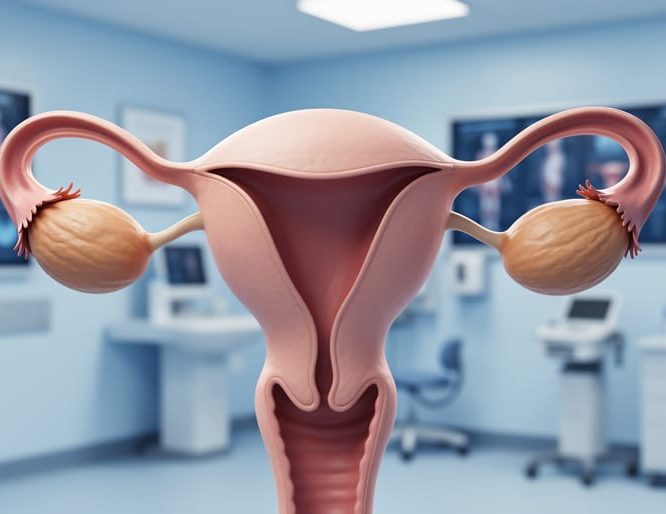
Clinical non-graphic depiction of the ovaries beside the uterus, illustrating where eggs are produced in the female reproductive system.

What Produces Eggs in the Female Reproductive System (and How Does It Work)?

The ovaries produce eggs in the female reproductive system. These almond-sized organs, located on either side of the uterus, are responsible for storing and releasing the oocytes (immature egg cells) that make conception possible.
Understanding how your ovaries function isn’t just biology trivia. For anyone navigating fertility challenges, tracking cycles, or exploring conception options, knowing what happens inside these small but powerful organs can help you make informed decisions about your reproductive health. The ovaries don’t just release eggs; they also produce the hormones that regulate your menstrual cycle and …

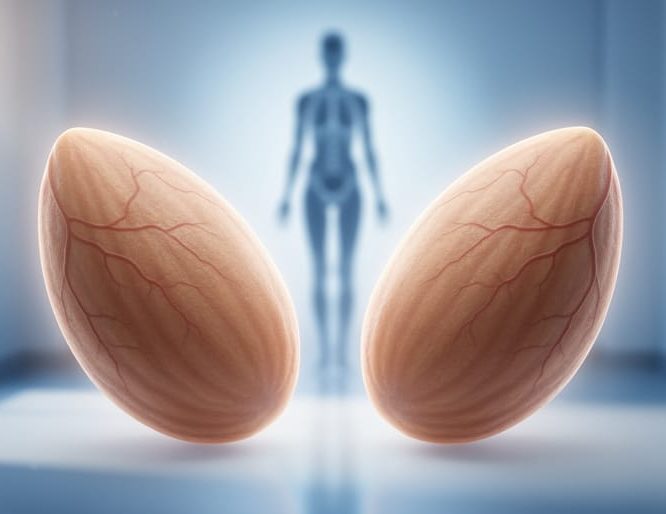
Close-up view of two almond-shaped ovaries highlighted in a clean medical-themed background to represent fertility and reproductive function.

Your Ovaries and Beyond: What Your Primary Reproductive Organs Actually Do for Fertility

The primary female reproductive organs are the ovaries, two almond-shaped glands that produce eggs and the hormones estrogen and progesterone. These organs sit at the center of your reproductive system, quietly orchestrating the monthly cycle that makes conception possible. Understanding how they function isn’t just biology lesson material. It’s foundational knowledge that can transform your fertility journey from one of confusion to one of informed empowerment.
If you’ve been trying …

Person’s hands resting on a neutral medical desk next to a blank anatomical reference card, conveying supportive learning about the female reproductive tract.

Understanding Your Female Reproductive Tract: What It Means for Your Fertility Journey

Understanding the human female reproductive tract is one of the first steps in making sense of your fertility journey. When you’re trying to conceive or facing challenges getting pregnant, knowing how your body works can transform confusing medical conversations into empowering knowledge that helps you advocate for yourself and make informed decisions.
Your reproductive tract is a remarkably coordinated system of organs working together to make conception possible. It includes the ovaries, which release eggs and produce essential hormones; the fallopian tubes, where fertilization typically occurs; the uterus, where a …

Eye-level close-up of two adults with different skin tones sitting side by side in a clinic waiting room, hands gently intertwined, with soft daylight and blurred chairs and a plant in the background, conveying empathy and support.

Why Infertility Awareness Week Matters More Than Ever

Every year, one in eight couples faces the heartbreak of infertility, yet their struggles often remain invisible, hidden behind closed doors and unspoken pain. National Infertility Awareness Week, observed during the last full week of April, exists to change that narrative by breaking the silence surrounding this deeply personal journey that affects millions worldwide.
This weeklong initiative serves as a powerful reminder that infertility is not a solitary battle but a shared experience deserving of recognition, understanding, and support. Since its establishment by RESOLVE: The National Infertility Association in 1989, this …