
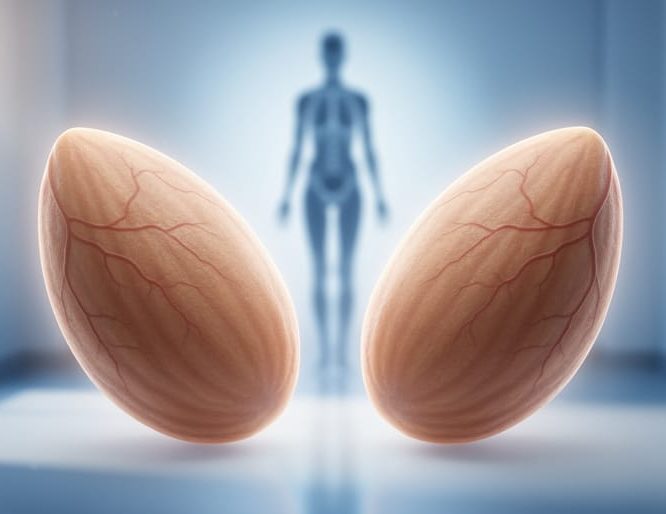
The primary female reproductive organs are the ovaries, two almond-shaped glands that produce eggs and the hormones estrogen and progesterone. These organs sit at the center of your reproductive system, quietly orchestrating the monthly cycle that makes conception possible. Understanding how they function isn’t just biology lesson material. It’s foundational knowledge that can transform your fertility journey from one of confusion to one of informed empowerment.
If you’ve been trying to conceive, or if you’re simply curious about how your body works, grasping what your ovaries do and why they matter gives you clarity. Each month, these organs release an egg during ovulation, trigger hormonal shifts that prepare your uterus for pregnancy, and signal when a cycle has ended. When something goes wrong with ovarian function, whether it’s irregular ovulation, hormonal imbalances, or conditions like polycystic ovary syndrome, fertility can be affected. But knowledge creates opportunity.
This article breaks down the anatomy and function of the ovaries in straightforward terms, then connects that understanding to real fertility implications. You’ll learn what healthy ovarian function looks like, recognize potential warning signs, and discover practical steps to support your reproductive health. Whether you’re just starting to explore your fertility or you’ve been on this path for a while, understanding your primary reproductive organs puts you in the driver’s seat of your own care.
What Makes an Organ ‘Primary’ in Your Reproductive System
When doctors and textbooks talk about “primary” reproductive organs, they mean something specific: the organs responsible for creating the reproductive cells themselves. In the female reproductive system, your ovaries hold this primary role because they produce eggs and hormones essential for reproduction. This isn’t just technical classification; understanding which organs are primary helps you recognize where fertility challenges often originate and where testing and treatment frequently focus.
Your other reproductive structures, the fallopian tubes, uterus, cervix, and vagina, serve crucial supporting roles. They transport eggs, provide a nurturing environment for embryo implantation, and create the pathway for conception and birth. Medical professionals call these “accessory” organs, though that term doesn’t diminish their importance. Without healthy fallopian tubes, eggs can’t reach the uterus. Without a receptive uterus, pregnancy can’t establish. Each structure matters profoundly in your fertility journey.
The distinction matters practically. When you’re trying to understand fertility challenges, knowing that the ovaries are the source of both eggs and reproductive hormones helps you make sense of various diagnoses. Conditions affecting your ovaries (like PCOS or diminished ovarian reserve) impact fertility differently than conditions affecting accessory organs (like blocked tubes or endometrial issues). Each requires different approaches to evaluation and treatment.
This foundational understanding empowers you to ask informed questions, interpret test results with greater clarity, and advocate effectively for your reproductive health throughout your fertility journey.
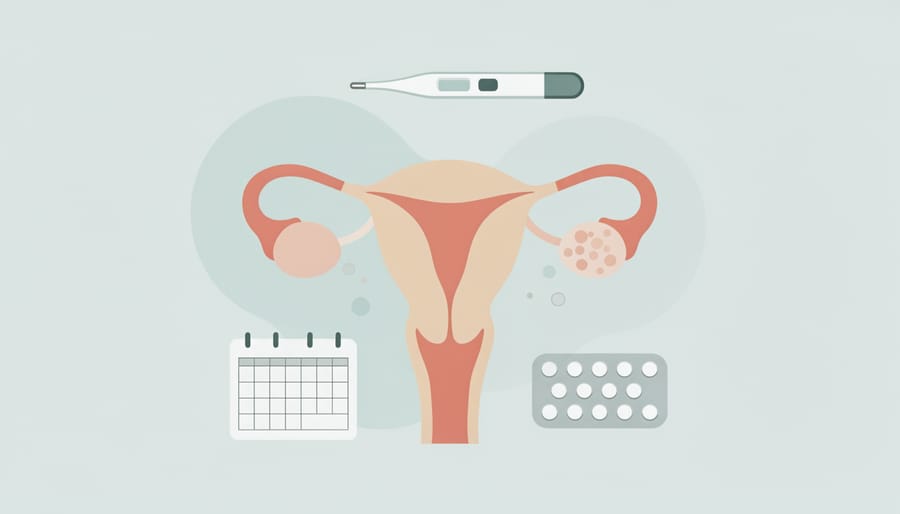
The Ovaries: Your Fertility Powerhouses
Where Your Eggs Begin and How They Develop
Here’s what happens inside your ovaries, starting long before you were even born. Every egg you’ll ever have was created while you were developing in your mother’s womb, you came into the world with your full complement, somewhere between one and two million tiny immature eggs tucked away in structures called primordial follicles. By the time you reach puberty, that number has naturally declined to around 300,000 to 400,000. This isn’t something you did wrong; it’s simply how female biology works.
Your ovarian reserve, the number of viable eggs remaining, represents your fertility potential, though quantity doesn’t tell the whole story about quality. Each month from puberty onward, your ovaries recruit a group of follicles to begin maturing. Typically, one follicle becomes dominant and continues developing while the others fade away. This process happens whether you’re on birth control, pregnant, or trying to conceive.
The journey from dormant egg to ovulation follows distinct stages:
- Primordial follicles awaken and begin growing
- Primary follicles develop a protective layer of granulosa cells
- Secondary follicles form fluid-filled spaces and increase hormone production
- Antral follicles become visible on ultrasound and compete for dominance
- The mature follicle releases its egg during ovulation
Throughout your reproductive years, these primordial follicles persist in various stages of development, but they steadily decline with age. By your late 30s and early 40s, both the quantity and quality of eggs typically decrease more rapidly.
If you’re facing a diagnosis of diminished ovarian reserve, know that these numbers reflect one part of your fertility picture, not your entire story or worth. Some people with lower reserves conceive naturally, while others benefit from fertility treatments that work with the eggs you have. Understanding how your eggs develop helps you make informed decisions about your path forward, whatever that looks like for you.
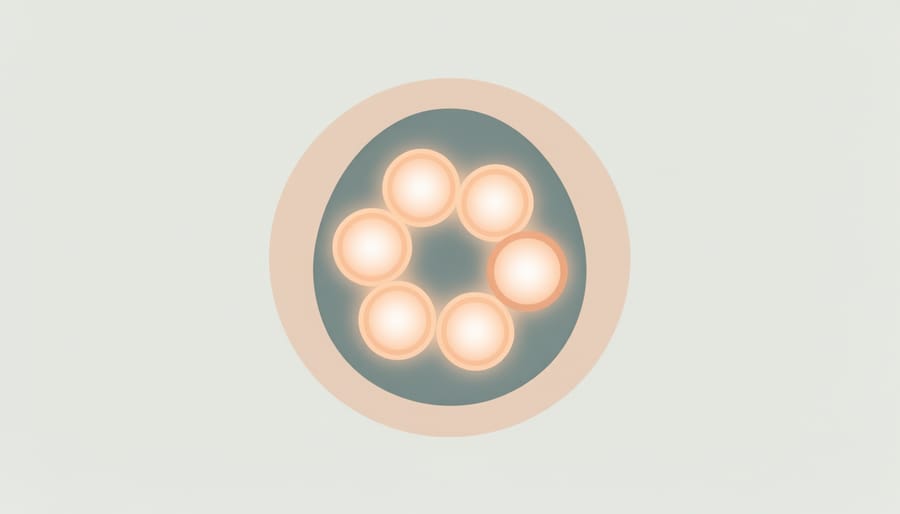
The Hormone Factory Inside You
Your ovaries do far more than release eggs each month. They function as sophisticated hormone factories, continuously producing the chemical messengers that orchestrate your entire menstrual cycle and make conception possible. The two primary players, estrogen and progesterone, work in a carefully choreographed dance that prepares your body for pregnancy month after month.
In the first half of your cycle, developing follicles in your ovaries pump out estrogen. This hormone thickens your uterine lining, creates the fertile cervical mucus that helps sperm survive and travel, and triggers the surge of luteinizing hormone that releases a mature egg. After ovulation, the empty follicle transforms into something called the corpus luteum, which shifts to producing progesterone. This hormone keeps your uterine lining receptive for a fertilized egg and maintains early pregnancy until the placenta takes over.
Your ovaries also produce smaller amounts of testosterone and anti-Müllerian hormone (AMH), which plays a role in follicle development and serves as a marker of ovarian reserve. This intricate hormonal system is what keeps your reproductive system primed for supporting fertility.
When this hormone production goes awry, fertility challenges often follow. Low progesterone can make it difficult for an embryo to implant or lead to early miscarriage. Imbalanced estrogen affects egg quality and cycle regularity. Conditions like PCOS disrupt the normal hormonal rhythm entirely, creating irregular ovulation or preventing it altogether. Understanding these hormonal patterns helps you and your healthcare team identify where support might be needed and what interventions could help restore balance.
When Ovaries Face Challenges
Sometimes your ovaries don’t function quite as expected, and knowing what might be happening can help you move forward with clarity and confidence.
Polycystic ovary syndrome, or PCOS, affects hormone balance and can interfere with regular ovulation, making conception more challenging. You might notice irregular periods or other hormonal symptoms. The encouraging news is that PCOS responds well to lifestyle modifications and medical treatments that can restore ovulation and improve fertility outcomes.
Endometriomas, which are cysts formed when endometrial tissue grows on the ovaries, can reduce egg quality and ovarian reserve. Treatment options range from medication to surgical removal, depending on their size and your fertility goals.
Premature ovarian insufficiency happens when ovaries slow down or stop working before age 40, while diminished ovarian reserve means you have fewer eggs remaining than typical for your age. Both conditions feel overwhelming when diagnosed, but fertility specialists can help you explore options including hormone therapy, egg donation, or expedited fertility treatment timelines.
You’re not alone in facing these challenges. Each condition has dedicated specialists and treatment protocols designed specifically to support your path to parenthood, whatever that looks like for you.
How Your Primary Organs Connect to the Rest of Your Reproductive System
Your ovaries don’t work in isolation. They’re the stars of the show, but they need a supporting cast to make fertility possible. The journey from egg to potential pregnancy depends on a beautifully coordinated system where each structure plays a specific role, and understanding these connections can help you make sense of fertility challenges you might be facing.
Think of your female reproductive tract as an interconnected pathway. When your ovaries release a mature egg during ovulation, that egg doesn’t magically appear where it needs to be. It travels into the fallopian tube, where fertilization typically happens if sperm are present. The fallopian tubes do more than provide a passage, their finger-like projections called fimbriae actually sweep the egg from the ovary’s surface, and tiny hair-like cilia help move it along. If these tubes are blocked or damaged from conditions like endometriosis or pelvic inflammatory disease, even perfectly healthy ovaries and a receptive uterus can’t result in pregnancy.
- Fallopian tubes
- Delicate tubes that capture eggs released from the ovaries and provide the site where fertilization usually occurs. Blocked or damaged tubes are a common cause of infertility.
- Uterus
- The muscular organ where a fertilized egg implants and develops throughout pregnancy. Its lining, called the endometrium, responds to hormones produced by your ovaries.
- Cervix
- The narrow passage connecting your uterus to your vagina that produces mucus to help sperm travel upward during your fertile window. Its position and mucus quality change throughout your cycle in response to ovarian hormones.
- Endometrium
- The inner lining of your uterus that thickens each month under the influence of estrogen and progesterone from your ovaries. This lining must be receptive for a fertilized egg to implant successfully.
The hormones your ovaries produce, estrogen and progesterone, don’t just affect egg development. They orchestrate changes throughout your entire reproductive system. Estrogen thickens your uterine lining and makes cervical mucus sperm-friendly during your fertile window. After ovulation, progesterone prepares that lining for implantation and keeps it stable if pregnancy occurs.
When fertility challenges arise, the problem might not be with your ovaries at all. You could be ovulating regularly but have blocked fallopian tubes, or your ovaries might be producing hormones that don’t properly prepare your uterine lining. This is why comprehensive fertility evaluation looks at the whole system, not just one part. Understanding these connections helps you ask better questions and advocate for thorough testing when something isn’t working as it should.
What Your Ovaries Can Tell You About Your Fertility
Your ovaries broadcast signals about your fertility potential every day, and learning to read those signals puts valuable knowledge in your hands. When you’re navigating fertility concerns, understanding what your ovaries can reveal through testing and observation helps you have more informed conversations with your healthcare team and feel more confident in your decisions.
Two key measurements give clinicians insight into your ovarian reserve, which is essentially the quantity of eggs remaining in your ovaries. AMH and antral follicle count work together to paint a picture of your fertility potential. AMH is measured through a simple blood test that you can do any day of your cycle, and it reflects the number of developing follicles in your ovaries. An ultrasound during the early days of your period counts antral follicles, those small sacs visible on the screen that contain immature eggs. Neither test predicts whether you’ll get pregnant naturally, but they’re especially useful when you’re considering fertility treatments or want to understand your timeline for family building.
Your menstrual cycle itself tells a story about how organs work together. Regular cycles typically between 24 and 35 days usually indicate that your ovaries are releasing eggs consistently. Tracking your cycle length, changes in cervical mucus, and basal body temperature can help you identify your fertile window and spot patterns that might warrant discussion with a fertility specialist.
If your periods are irregular, absent, or accompanied by unusual symptoms, your ovaries might be signaling that something needs attention. Maybe your cycles are unpredictable because of PCOS, or perhaps they’ve become lighter due to diminished ovarian reserve. These aren’t failures on your part. They’re information, and information empowers you to seek the right support at the right time. Many people find that just understanding what their test results mean lifts some of the uncertainty that makes fertility challenges feel so overwhelming.
Supporting Your Primary Reproductive Organs
While you can’t control every aspect of your fertility journey, you can take meaningful steps to support your ovarian health. These evidence-based lifestyle choices create an environment where your primary reproductive organs can function at their best.
Start with nutrition that nourishes ovarian function. A Mediterranean-style diet rich in vegetables, whole grains, healthy fats like olive oil and nuts, and lean proteins provides antioxidants and anti-inflammatory compounds that protect egg quality. Limit processed foods, trans fats, and excessive sugar, which can disrupt hormone balance and increase inflammation. Some research suggests that specific nutrients, folate, vitamin D, omega-3 fatty acids, and coenzyme Q10, may support ovarian health, though you should discuss supplements with your healthcare provider rather than self-prescribing.
Stress management deserves serious attention because chronic stress affects hormone production and ovulation. Find sustainable practices that work for your life, whether that’s regular yoga, meditation, journaling, or simply protecting time for activities you enjoy. Consistency matters more than perfection.
Environmental toxins can interfere with hormone function, so minimize exposure where practical. Choose personal care products and household cleaners without phthalates and parabens when possible, reduce use of plastics for food storage, and be mindful of pesticides by choosing organic produce for items you eat frequently with edible skins.
Maintaining a healthy weight supports regular ovulation, as both underweight and overweight conditions can disrupt reproductive hormones. If weight changes are recommended, work with healthcare professionals who understand the complex relationship between body weight and fertility rather than pursuing extreme diets.
Remember that doing everything “right” doesn’t guarantee fertility. Many people with excellent lifestyle habits still face reproductive challenges, and that’s not a failure or something you caused. These supportive steps simply give your body the best foundation possible while you explore your path forward.

Understanding your primary reproductive organs isn’t just about biology. It’s about reclaiming a sense of agency during a journey that can often feel overwhelming and out of your control. When you know how your ovaries function, what they’re telling you through testing and symptoms, and how they connect to your broader reproductive health, you become an active participant in your care rather than a passive recipient of medical information.
We recognize that this knowledge doesn’t erase the emotional weight of fertility challenges. The disappointment of another negative test, the anxiety before each appointment, the grief of outcomes that don’t match your hopes, these feelings are valid and real. Understanding your body doesn’t make the hard days easier, but it can help you feel more grounded as you navigate them.
Whether your path to family includes medical intervention, lifestyle changes, alternative approaches, or ultimately leads you toward adoption or child-free living, your journey deserves respect and support. The Infertility Awareness Association of Canada offers comprehensive fertility resources designed to support you wherever you are in your experience.
Your body’s story is uniquely yours, and whatever choices you make moving forward are the right ones for you. You’re not alone in this, and your hope matters.