
When your IVF journey ends or your family feels complete, you’re left with a profound question: what happens to the embryos you’ve preserved? You have four main pathways: continued storage, donation to another family hoping to conceive, donation to scientific research, or compassionate disposal. Each choice carries its own emotional weight, practical considerations, and ethical dimensions.
This decision affects many families. Fertility clinics across the country store hundreds of thousands of cryopreserved embryos, and for those who created them, the decision of what to do next can feel overwhelming. You might find yourself paralyzed by the gravity of it, postponing the choice year after year. That’s completely understandable.
The reality is there’s no universal right answer. What feels right for one family may not align with another’s values, beliefs, or circumstances. Some people know immediately what they want to do. Others need months or even years to reach clarity, and some never feel entirely certain. All of these experiences are valid.
What matters most is that you have accurate information about each option, time to process your feelings, and support as you navigate this deeply personal decision. The choice you make should reflect your family’s values, your emotional readiness, and your practical circumstances. This article walks you through each pathway in detail, the factors worth considering, and resources to help you move forward with confidence and peace.
Understanding Your Remaining Embryos

During IVF treatment, your fertility team creates embryos by fertilizing your eggs with sperm in the laboratory. The goal is typically to generate several viable embryos, increasing the chances of a successful pregnancy. However, because clinics don’t transfer all embryos at once, usually transferring one or two at a time, you may have additional embryos remaining after achieving pregnancy or completing treatment.
These remaining embryos exist because of how the IVF process works. Your ovaries produce multiple eggs in a single cycle through controlled stimulation, and when fertilized, not all will develop identically. Your embryologist selects the strongest embryo for transfer while preserving others that have also developed well. This approach gives you options: if the first transfer doesn’t succeed, you have embryos ready without repeating the entire egg retrieval process. If you do become pregnant, those embryos still remain.
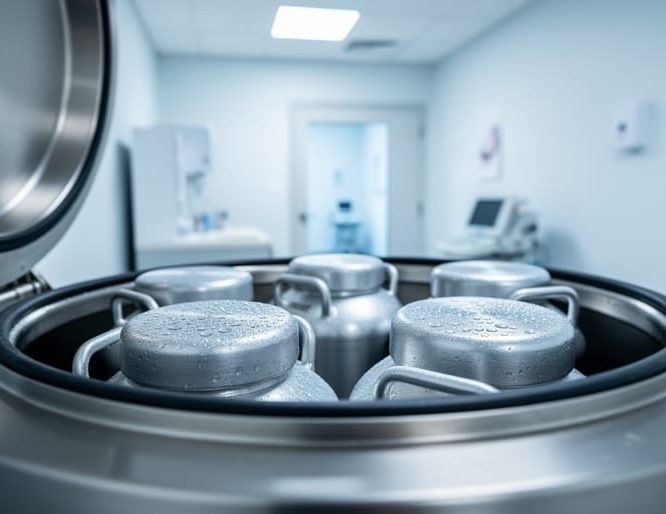
Understanding how eggs are made and fertilized helps explain why extras occur, but the preservation process is what keeps them available long-term. Cryopreservation rapidly freezes embryos to extremely low temperatures, essentially pausing their development. During this process, called vitrification, water within the cells is replaced with protective solutions that prevent ice crystal formation. The embryos remain in liquid nitrogen storage tanks maintained at constant temperatures.
Research shows that embryos can remain viable after years or even decades of storage when properly maintained. The cryopreservation process itself is highly reliable, and the duration of storage doesn’t diminish embryo quality. What matters is that these embryos represent potential, and potential requires decisions about their future, whenever you’re ready to make them.
Your Options for Managing Remaining Embryos
Continued Storage for Future Use

Keeping your embryos in storage leaves the door open for future possibilities, and for many families, this feels like the most natural choice, at least while you’re sorting through your feelings and options. You’ve completed one chapter of your fertility journey, and frozen storage gives you time to decide what comes next without pressure.
Most families who choose continued storage fall into a few camps: those who know they want more children but need time before another transfer, those who feel uncertain about their family completion, and those who simply aren’t ready to make a permanent decision about their remaining embryos. All of these reasons are completely valid. There’s no deadline requiring you to rush this deeply personal choice.
The practical reality is that embryo storage involves annual or semi-annual fees charged by your clinic or storage facility. These costs vary widely depending on your location and facility, so you’ll want to contact your clinic for their specific pricing structure. Many families find these fees manageable, especially when balanced against keeping their options open.
Embryos can remain safely frozen for many years, some have been stored for a decade or more and resulted in healthy pregnancies after thawing. The cryopreservation technology that protects your embryos is remarkably stable over time.
For now, continued storage might be your best answer. It gives you breathing room to focus on your current family, process your experience, and revisit the decision when you feel ready. You’re not avoiding the question, you’re honoring your need for time.
Donation to Another Family
Donating your remaining embryos to another family offers the possibility of helping others build their family while giving your embryos a chance at life. This path allows recipients who face significant fertility challenges to experience pregnancy and parenthood in ways that might not otherwise be possible.
The process typically begins with contacting an embryo donation program or your fertility clinic to express interest. Many clinics work with dedicated embryo donation agencies, while some facilitate matches directly. You’ll complete medical and genetic screening paperwork, providing information about your health history and the embryos themselves. Programs vary in their requirements, but most include counseling to help you process the emotional dimensions of this choice.
One significant consideration is whether you prefer an anonymous or known donation. Anonymous arrangements mean you won’t know the recipient family’s identity or have updates about a resulting child. Known or semi-open donations might include some contact or updates through the program, depending on what both parties agree to. There’s no right answer, it depends entirely on what feels manageable for you and your family long-term.
The emotional landscape of embryo donation is complex. Many donors describe feeling comforted knowing they helped create a family, while simultaneously experiencing grief or unexpected feelings when a pregnancy or birth occurs. Some worry about future contact or how their existing children might feel about genetic siblings they don’t know. These reactions are all normal and valid.
Finding a reputable program matters. Look for agencies with established screening processes, counseling support for both parties, and clear legal frameworks. Your fertility clinic can recommend trusted programs, or organizations like the Donor Embryo Transfer Program network provide starting points for research.
Donation to Research
Donating embryos to research offers families a way to contribute to scientific advancement that may help others facing infertility. Embryos donated for research typically support studies aimed at improving IVF success rates, understanding early human development, or advancing treatments for genetic conditions. This work can lead to breakthroughs that benefit future families struggling to conceive.
The consent process for research donation involves detailed paperwork outlining how embryos will be used. You’ll receive information about the specific research project, assurances that your identity remains confidential, and confirmation that you’ll have no future obligations or rights to any resulting discoveries. Most programs require both partners to consent if embryos were created together.
Research involving embryos is heavily regulated and subject to ethical oversight by institutional review boards. In many countries, embryos used in research cannot be transferred to achieve pregnancy, and studies must cease within a defined early developmental window. These protections exist to ensure research proceeds responsibly.
For families who’ve completed their family building but feel conflicted about other options, research donation can provide meaning to a difficult choice. You’re contributing to knowledge that genuinely advances reproductive medicine. Many find comfort knowing their embryos may help scientists better understand implantation, chromosomal abnormalities, or how to improve outcomes for couples who’ve faced repeated losses. It transforms a deeply personal decision into something that serves a larger purpose while respecting the significance of what these embryos represent to you.
Compassionate Transfer or Disposal
Some families choose to discontinue embryo storage through a process often called compassionate transfer or compassionate disposal. This option involves thawing the embryos without the intention of transfer or implantation, allowing them to naturally arrest development.
This choice carries profound emotional weight for many people. You created these embryos with hope for your family, and deciding not to pursue further use can bring feelings of grief, relief, guilt, or peace, sometimes all at once. These feelings are valid and deeply personal.
The clinical process itself is straightforward and respectful. Your clinic will thaw the embryos according to your wishes, and many offer the option to have them returned to you afterward if you wish to create a private ceremony. Some families choose to scatter embryos in meaningful locations, bury them in special places, or hold quiet moments of remembrance. Others prefer the clinic to handle everything with dignity and care.
There’s no prescribed way to approach this decision or process. Some people find comfort in rituals that honor what these embryos represented in their journey. Others prefer privacy and simplicity. Your clinic’s staff has supported many families through this choice and can discuss your options without judgment.
If you’re considering this path, know that choosing it doesn’t diminish your journey or the significance of these embryos in your story. Many families find this option brings closure and allows them to move forward while honoring what was.
Factors to Consider in Your Decision
Deciding what to do with remaining embryos is deeply personal, and there’s no single right path. Your choice will reflect your unique circumstances, values, and vision for your family’s future.
Start by considering where you are emotionally with family building. Do you feel complete, or might you want another child? Your answer today may shift over time, and that’s perfectly normal. Some families know immediately they’re finished, while others need months or years to reach clarity.
Your religious or ethical beliefs often play a significant role. Different faith traditions and personal philosophies offer varying perspectives on embryo status and acceptable options. What feels aligned with your deepest values? There’s wisdom in consulting spiritual advisors, counselors, or trusted community members who understand your belief system.
Relationship dynamics matter too. If you have a partner, are you aligned in your feelings about the embryos? Couples sometimes discover they’ve processed their fertility journey differently and need space to discuss options openly. Single parents by choice face these decisions independently but may still want input from close family or friends.
Financial realities deserve consideration. Ongoing storage involves recurring fees, though these are generally modest compared to overall infertility treatment costs. Different choices carry different expenses, and it’s practical to understand what fits your current situation.
Think through these questions honestly:
- How does my body feel about another pregnancy after what I’ve been through?
- Would I regret not trying to have another biological child?
- Does helping another family or advancing research resonate with me?
- What timeline feels right rather than rushed?
- Whose input do I genuinely need versus whose opinions I’m worried about?
Your emotional readiness matters more than external pressure. Some clinics request decisions within certain timeframes, but most understand this isn’t a choice to rush. Understanding your own female reproductive tract and how you feel about future pregnancies is part of this larger reflection.
Whatever you decide will be right for your family because it comes from your lived experience and values.
The Decision-Making Process and Timeline
This decision deserves whatever time you need. There’s no expiration date on figuring out what feels right for your family.
Most clinics will check in periodically about your stored embryos, often annually when storage fees come due. Some may request a decision after a certain timeframe, but many families take months or even years to reach clarity. If you’re not ready when your clinic asks, it’s completely acceptable to continue storage while you process your feelings and explore your options.
Start by having honest conversations with your partner if you have one. You may not align immediately, and that’s normal. Some couples find it helpful to revisit the discussion multiple times as their feelings evolve. What feels impossible to consider today might shift as your family situation changes or as time provides perspective.
Professional support can make an enormous difference. Many fertility clinics offer counseling specifically for this decision, and therapists experienced in reproductive issues understand the unique emotional landscape you’re navigating. Some people also find value in talking with others who’ve faced similar choices, whether through support groups or online communities.
Your decision doesn’t have to be permanent in your mind before you act. Some families choose one path and later feel at peace with it in ways they couldn’t have predicted. Others maintain some ambivalence even after deciding, and that’s okay too. Give yourself permission to feel conflicted, to change your mind during the process, and to honor wherever you are emotionally. This is your journey, and the timeline that works for you is the right one.
Common Questions About Managing Remaining Embryos
How quickly do I need to decide what to do with my embryos?
Most clinics will reach out annually about your storage preferences, but there’s typically no immediate deadline unless you stop paying storage fees. Many families take months or even years to reach their final decision, and that’s completely normal.
Can I change my mind after I’ve made a decision?
As long as your embryos remain in storage, you can generally revise your decision about their future use. However, once embryos are donated, discarded, or thawed, that choice becomes permanent.
Should I involve my children in this decision?
This is deeply personal and depends on your children’s ages and your family values. Some families choose to discuss genetic siblings in age-appropriate ways, while others prefer to make this decision privately as parents.
Where can I find emotional support for this decision?
Fertility counselors, therapists specializing in reproductive issues, and peer support groups can all provide valuable guidance. Your clinic can typically provide referrals, and many infertility awareness organizations offer resources specifically for this situation.
Beyond these common questions, it’s worth knowing that your clinic won’t discard your embryos without explicit written consent, even if you haven’t actively made a decision. Storage fees will continue to accrue, but you maintain control over what happens. Many people find it helpful to schedule a specific time to revisit the decision rather than letting it linger as background anxiety. Some clinics offer decision-making consultations to walk you through your options without pressure, which can bring clarity when you’re feeling stuck. Remember that the difficulty of this choice doesn’t mean you’re doing anything wrong. It reflects the significance of what these embryos represent to you and your family’s journey.
Deciding what to do with your remaining embryos is deeply personal, and there’s no timeline you need to follow but your own. This choice belongs to you and your family alone, shaped by your values, circumstances, and what feels right in your heart. Whatever path you choose, whether it’s keeping embryos in storage while you process your feelings, donating to help another family, contributing to research, or compassionate closure, you’re making a thoughtful decision during an emotionally complex time.
You don’t have to decide alone. Professional counseling, support groups, and conversations with people you trust can help you work through your thoughts and feelings. Give yourself permission to sit with uncertainty, to change your mind, and to honor the weight of what you’re navigating. Your journey through IVF has already required tremendous courage and resilience. Trust yourself to make the choice that brings you peace.