

Sometimes, yes. Many men who’ve been told they’re infertile can improve their fertility, and some become fathers without any medical help at all. The honest answer depends on why sperm production or delivery is struggling, which is exactly what a proper evaluation uncovers.
Here’s why that matters. Male infertility isn’t a single condition. It’s a label for anything that keeps sperm from reaching and fertilizing an egg, and the causes range widely. Some are very fixable: a varicocele (enlarged veins in the scrotum), a hormone imbalance, an infection, certain medications, heavy alcohol use, smoking, or chronic stress and poor sleep. Others, like some genetic conditions or a complete absence of sperm production, can’t be reversed. Even then, options exist.
Sperm take roughly three months to develop, so improvement is usually measured in months, not days. That timeline can feel long when you’re anxious. It also means the changes you make now have a real chance to show up in a later semen analysis.
If you or your partner just got a hard diagnosis, take a breath. You’re not out of options, and you’re not alone. The sections ahead explain what “infertile” actually means, which causes can change, and where to turn next.
How the Male Reproductive System Works and What ‘Infertile’ Really Means
Fertility Is a Spectrum, Not a Switch
Many men who hear the word “infertile” are actually subfertile. That means conceiving may take longer than average or may need some extra support, but it isn’t ruled out. If you’d like a fuller picture of how sperm production works and why it varies, What is male fertility is a helpful place to start.
Sperm counts and quality aren’t fixed numbers. They can shift from one sample to the next, and things like a recent fever, illness, stress, or a few poor nights of sleep can nudge results in either direction. Because sperm take roughly two to three months to develop, a single test only captures a moment in time.
That’s why a first semen analysis is best seen as a starting point, not a final answer. Doctors usually want to repeat it before drawing conclusions. A low result can feel crushing, but it often opens the door to useful questions about causes, next steps, and what might help.
Causes That Can Change and Causes That Need Different Paths
Male infertility rarely comes from a single cause, and most of the time it isn’t anyone’s fault. It helps to think of causes in two broad groups: those that often respond to treatment or change, and those that point toward a different route to parenthood. Many men find that learning which group they fall into brings real relief, because it turns a vague worry into a plan.
Medical conditions are a common starting point. A varicocele, which is an enlargement of the veins inside the scrotum, is one of the most frequent and often treatable findings. Infections can affect sperm quality or block the passage of sperm, and hormone imbalances can disrupt the signals that tell the testicles to make sperm. Blockages in the ducts that carry sperm may sometimes be corrected with surgery, or bypassed by retrieving sperm directly.
Lifestyle and environment matter too, and this is where many men feel most empowered. Smoking, heavy alcohol use, some medications, frequent heat exposure (hot tubs, saunas, long periods with a laptop on the lap), higher body weight, ongoing stress, and poor sleep can all affect sperm count and quality. Because sperm take roughly two to three months to develop, healthy changes can show up in future test results, though the pace and size of improvement vary from person to person.
Here is a general overview to help you prepare for a conversation with your doctor:
| Possible cause | Commonly improvable? | Typical approach to discuss with a doctor |
|---|---|---|
| Varicocele | Often, in some men | Exam and ultrasound; possible surgical or minimally invasive repair |
| Hormone imbalance | Frequently | Blood tests; medication or treating the underlying cause |
| Infection | Often | Testing and treatment, followed by repeat semen analysis |
| Lifestyle factors | Often, over a few months | Review of habits, medications, weight, sleep, and stress |
| Blockage | Sometimes | Imaging; surgical repair or sperm retrieval for assisted reproduction |
| Genetic conditions | Rarely reversible | Genetic counseling; assisted reproduction or other family-building options |
Genetic and structural causes are different. Some chromosomal or inherited conditions can’t be reversed, and certain structural differences present from birth may limit natural conception. That does not close the door on family. Assisted reproduction, donor sperm, adoption, fostering, and child-free living are all valid paths, and a specialist can help you weigh them without pressure.
However your results look, they describe a medical situation, not a personal failing. Knowing the cause is the first step toward choosing what comes next.

Who May Be Able to Improve Fertility: Eligibility and Candidacy for Treatment
Whether a man’s fertility can improve depends on a handful of details, and no single result tells the whole story. Doctors look at the full picture before suggesting what might help. That isn’t about deciding who “qualifies” for hope. It’s about matching the right option to the right situation.
Here are the main things a specialist considers:
- Whether a clear cause has been identified, since some causes respond well to treatment and others don’t.
- Whether there’s a treatable condition, such as a varicocele, an infection, or a medication side effect.
- Hormone levels, which show whether the body’s signals for making sperm are working as they should.
- Results from more than one semen analysis, because numbers can swing from test to test.
- How long a couple has been trying to conceive.
- The fertility and age of both partners, since conception is a shared process.
- Overall health, including weight, sleep, stress, and any chronic conditions.
A single semen result can be discouraging, but it’s rarely the final word. Sperm counts and quality naturally vary, so doctors usually want at least two tests, spaced apart, before drawing conclusions. They’ll also ask about your medical history, any past surgeries or illnesses, and your lifestyle, because small details sometimes point to a very fixable cause.
Age matters too, for both partners. A partner’s age and egg health can shape which treatments make the most sense, and the length of time you’ve been trying helps a doctor decide how soon to act. A couple who has been trying for a few months may simply need patience, while another may benefit from moving ahead sooner.
Because every situation is different, a specialist evaluation is the only way to learn where you stand. Think of it as gathering information, not passing a test. Whatever the findings, they open up options, and there are meaningful paths forward in almost every case.
What You Can Do: Medical Treatments, Lifestyle Changes, and Other Paths Forward

A Realistic Look at the Process and Timeline
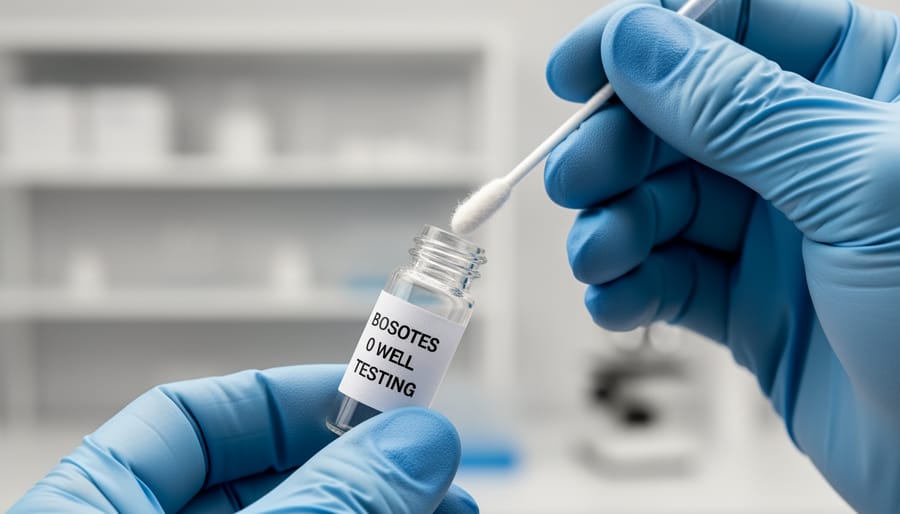
Most people start with a primary care visit or a referral to a urologist or reproductive specialist. Expect questions about your medical history, medications, past infections or surgeries, and habits like smoking, alcohol, and sleep. A physical exam usually follows. It can feel awkward, but it’s routine for them.
Next comes testing. A semen analysis is the cornerstone, and many doctors ask for two samples taken a few weeks apart, since results naturally vary. Blood tests to check hormone levels are common, and sometimes an ultrasound or genetic screening is added. Waiting for results is often the hardest part emotionally, so it helps to line up a partner or friend to lean on.
Once results are in, your doctor explains a likely cause and lays out options, from treating a condition like a varicocele or infection to adjusting medications and lifestyle habits. If assisted reproduction comes up, it’s worth reading about IVF next steps so you know what lies ahead.
Then comes the patience part. Sperm take roughly two to three months to develop, so re-testing after about three months is common. That window lets any treatment or lifestyle change actually show up in the numbers. Slow progress isn’t failure. It’s biology working on its own schedule.
Your Rights, Your Choices, and Your Responsibilities in Care
You have real rights in fertility care, and knowing them can make appointments feel less intimidating. You have the right to be heard and treated with dignity, to ask questions and get clear, jargon-free explanations, and to seek a second opinion at any point. Your medical information is private, and you decide who sees it. Most importantly, you have the right to make informed choices about treatment and about how you build your family, including choosing a path that looks different from what others expect.
Care works best as a partnership, so a few responsibilities come with those rights. Share your full medical history honestly, including medications, past infections, and lifestyle habits, because small details can change the whole picture. Follow testing instructions closely, since a semen analysis can be thrown off by timing or preparation. Attend your follow-ups too, as sperm health is usually re-checked after a few months to see what has changed.
Money is part of this conversation, and it’s okay to talk about it openly. Coverage varies widely by location and plan, so ask your clinic for a clear breakdown and check with your insurer about what’s included. Our guide to infertility treatment costs can help you plan.
Coverage gaps are exactly why advocacy matters. IAAC works to advance legislation that makes fertility care more accessible, so that family-building doesn’t depend on a person’s ability to pay.
Emotional Wellbeing: You Are Not Alone in This
Picture a man in his mid-thirties, one of many couples we hear from, who gets his semen analysis results and quietly folds the paper into his pocket. He tells his partner the numbers “need more testing” and then goes silent for days. Inside, he’s wondering whether this says something about him as a person. This is a composite illustration, not a real individual, but the feelings are very real, and they’re shared by countless men.
Many men carry this weight differently. Fertility gets tangled up with ideas about strength and identity, so it can feel safer to say nothing. That silence often leaves both partners lonely, even when they’re sitting right next to each other.
A diagnosis is a medical finding, not a verdict on your worth. Reaching out for support is a sign of strength, not weakness.
A few things can help:
– Pick a calm moment to tell your partner what you’re actually feeling, even if it’s just “I’m scared and I don’t know how to say it.”
– Go to appointments together when you can, so neither of you carries the news alone.
– Talk with a counselor who understands infertility, either individually or as a couple.
– Find a peer group, online or in person, where other men are saying the quiet parts out loud.
Community can make a surprising difference. Moments like Infertility Awareness Week remind people that they’re part of something bigger, and that speaking up helps others do the same.

Where to Get Help and Support
You don’t have to figure this out alone, and knowing where to turn can make the whole process feel less overwhelming. Different kinds of help meet different needs, and most people lean on more than one.
- Medical specialists, such as a urologist or reproductive endocrinologist, who can run testing and explain your options.
- Your primary care provider, who can start the conversation, order early tests, and refer you onward.
- Counselors and therapists who understand the emotional weight of a fertility diagnosis.
- Peer and community support groups where others share what you’re going through.
- Educational resources from national and professional fertility organizations, including IAAC.
- Advocacy and volunteering through IAAC, for those who want to turn their experience into change.
A good first step is booking a visit with your primary care provider or a urologist and asking for a semen analysis. If your partner is also being evaluated, it can help to understand her side of the picture too, and our guide to the female reproductive tract is a gentle place to start.
Services, wait times, and insurance coverage vary widely by location and plan, so it’s worth confirming current details directly with your provider, clinic, and insurer before you commit to a path. And if you’d like company along the way, IAAC’s community is here for you.
Common Questions About Male Fertility Changing Over Time
Many readers arrive with the same handful of worries, so here are honest, plain answers to the questions we hear most. Every situation is different, and a specialist can tell you what applies to you.
Can a man with a zero sperm count ever become fertile?
Sometimes. If the cause is a blockage or a treatable hormone problem, sperm may return after treatment, and in other cases a specialist may be able to retrieve sperm directly from the testicles. It isn’t possible for everyone, which is why a thorough evaluation matters.
Can lifestyle changes alone make a difference?
They can help, especially if smoking, heavy drinking, excess heat, or poor sleep are part of the picture. For many men, though, lifestyle changes work best alongside medical care rather than replacing it.
How long do improvements take?
Because sperm take roughly two to three months to develop, changes usually take about that long to show up in test results. That’s why doctors often repeat a semen analysis after around three months.
Does age affect male fertility?
It can, though usually more gradually than it does for women. Many men remain able to father children later in life, but sperm quality and the time it takes to conceive can change with age.
Two more questions come up often. Is male infertility permanent? Not necessarily. Many causes are treatable or can be worked around with assisted reproduction, and even when they can’t, there are other meaningful paths to building a family. No one can promise a particular outcome, but a diagnosis is rarely the final word.
When should you see a specialist? A good rule of thumb is after a year of trying without success, or sooner if you already know about a medical condition, a past injury or surgery, or any concern about your health. If your partner is over 35, it’s reasonable to seek an evaluation after about six months. Reaching out early doesn’t commit you to anything. It simply gives you information, and information gives you options.
For many men, the answer to this question is yes. Fertility can improve, especially when the cause is something that can be treated or changed, and sometimes progress comes sooner than you’d expect. When it can’t, that doesn’t close the door on family or on a life full of purpose. There are many meaningful paths, and every one of them is worth honoring.
You don’t have to figure it all out today. Maybe your next step is booking an evaluation with a urologist or reproductive specialist, or simply reaching out to someone who understands. Whichever you choose, you won’t be doing this alone. Support through IAAC is here for you and your family.