CBD and Fertility: What Hopeful Parents Need to Know

A hopeful couple sitting on a park bench, holding a hemp plant, surrounded by soft light with an abstract depiction of the endocannabinoid system in the background, symbolizing the potential relationship between CBD and fertility.

Understanding the complex relationship between CBD and factors affecting fertility offers new hope for couples on their reproductive journey. As more individuals seek natural alternatives for fertility support, CBD has emerged as a potential ally in addressing reproductive health challenges. Explore CBDNorth to discover how this remarkable compound interacts with our endocannabinoid system, which plays a crucial role in reproductive function.

Recent scientific investigations have revealed promising connections between CBD and reproductive health, suggesting potential benefits for hormone balance, stress reduction, and inflammatory response – all key components in fertility. While not a miracle solution, CBD’s ability to support overall wellness may offer complementary benefits for those navigating fertility challenges. This article examines the current research, practical applications, and important considerations for incorporating CBD into your fertility support journey, empowering you with knowledge to make informed decisions about your reproductive health.

Understanding CBD’s Role in Reproductive Health

The Endocannabinoid System and Fertility

Our bodies have a fascinating natural network called the endocannabinoid system (ECS), which plays a crucial role in reproductive health and fertility. This system helps regulate various bodily functions, including hormone production, ovulation, and embryo implantation. Think of it as your body’s internal balance keeper, ensuring that reproductive processes run smoothly.

The ECS contains special receptors throughout the reproductive organs, including the ovaries, uterus, and testes. These receptors interact with both naturally produced endocannabinoids in our bodies and plant-derived cannabinoids like CBD. This interaction can influence reproductive hormone levels, menstrual cycles, and overall reproductive health.

Research suggests that a well-functioning endocannabinoid system may support optimal fertility conditions. When this system is balanced, it helps maintain healthy hormone levels and supports regular menstrual cycles in women, while potentially influencing sperm health and production in men. Understanding this biological connection helps explain why CBD might offer support for those on their fertility journey, though it’s important to remember that everyone’s endocannabinoid system responds differently to CBD supplementation.

Anatomical diagram showing endocannabinoid receptors in male and female reproductive systems
Scientific illustration of the endocannabinoid system’s receptors in reproductive organs

Current Research and Evidence

Current research on CBD’s role in fertility presents a complex and evolving picture. While preliminary studies show promising potential, scientists are still working to fully understand how CBD might support those facing reproductive health challenges. Recent laboratory studies have indicated that the endocannabinoid system, which CBD interacts with, plays a significant role in reproductive function and hormone regulation.

Some research suggests CBD may help reduce stress and anxiety levels, which can indirectly benefit fertility. A 2019 study published in the Journal of Clinical Medicine found that stress reduction through various interventions, including CBD use, might positively impact fertility outcomes. However, it’s important to note that most existing studies have been conducted in laboratory settings or with animal models.

Human clinical trials specifically focused on CBD and fertility are currently limited, though several are in progress. Medical professionals emphasize the need for more comprehensive research before drawing definitive conclusions about CBD’s direct effects on fertility. As science continues to advance, our understanding of CBD’s potential role in supporting reproductive health grows more nuanced.

CBD’s Potential Benefits for Fertility Support

Stress and Anxiety Management

The journey to conception can be emotionally challenging, and stress often becomes an unwelcome companion along the way. Research has shown that high stress levels can significantly impact fertility in both men and women, creating a challenging cycle where fertility concerns increase stress, which in turn may affect reproductive health.

CBD has emerged as a potential ally in managing stress and anxiety during fertility journeys. This natural compound interacts with the body’s endocannabinoid system, which plays a role in regulating stress responses and emotional well-being. By potentially helping to lower cortisol levels (often called the “stress hormone”), CBD may create a more balanced internal environment conducive to fertility.

Many individuals trying to conceive have reported feeling more relaxed and centered when incorporating CBD into their wellness routine. This calm state can be particularly beneficial during fertility treatments or when navigating the emotional ups and downs of trying to conceive.

While CBD isn’t a magic solution, it may offer gentle support for emotional well-being without the side effects often associated with traditional anti-anxiety medications. Some users find that regular CBD use helps them maintain a more positive mindset and reduces tension in both body and mind. This emotional balance could contribute to creating optimal conditions for conception, though it’s essential to discuss any CBD use with your healthcare provider, especially when trying to conceive.

CBD oil dropper with lavender sprigs and meditation stones on a peaceful background
Calming image of CBD oil drops next to lavender and other stress-relieving elements

Hormonal Balance Support

Maintaining hormonal balance is crucial for fertility, and emerging research suggests that CBD may play a supportive role in this delicate equilibrium. Our endocannabinoid system (ECS) interacts closely with various hormones that influence reproductive health, including those produced by the hypothalamic-pituitary-gonadal axis.

CBD’s potential influence on hormonal balance stems from its ability to interact with the ECS, which helps regulate important reproductive hormones like estrogen, progesterone, and testosterone. For individuals experiencing hormonal imbalances that may affect fertility, CBD’s natural regulatory properties could offer gentle support without the harsh side effects often associated with conventional treatments.

Research indicates that CBD might help manage cortisol levels, our body’s primary stress hormone. High cortisol levels can significantly impact reproductive hormone production and overall fertility. By potentially helping to maintain healthy cortisol levels, CBD may create a more favorable environment for conception.

It’s important to note that while early studies show promise, everyone’s endocrine system responds differently to CBD. Some users report improvements in symptoms related to hormonal imbalances, such as reduced PMS symptoms and more regular cycles. However, if you’re actively trying to conceive, it’s essential to work with a healthcare provider who can monitor your hormonal levels and help determine if CBD might be appropriate for your situation.

Remember that hormonal balance involves multiple complex systems working together, and CBD should be considered as part of a comprehensive approach to fertility support.

Inflammation and Reproductive Health

Inflammation plays a significant role in reproductive health, and many inflammation-related fertility issues can impact both men and women. CBD’s natural anti-inflammatory properties have shown promise in supporting reproductive wellness by helping to manage inflammatory responses in the body.

For women, chronic inflammation can affect the health of reproductive organs, potentially disrupting regular ovulation and creating an unfavorable environment for implantation. CBD may help by reducing inflammation in reproductive tissues and supporting a more balanced immune response, which is crucial for maintaining optimal reproductive function.

In men, inflammation can impact sperm health and production. Studies suggest that CBD’s anti-inflammatory effects might help protect sperm from oxidative stress and inflammation-related damage, potentially supporting better sperm quality and motility.

What makes CBD particularly interesting for fertility support is its ability to work with the body’s endocannabinoid system, which plays a crucial role in reproductive function. By helping to regulate inflammatory responses through this system, CBD may create a more supportive environment for conception while addressing underlying inflammation that could be affecting fertility.

While more research is still needed, many individuals have found CBD helpful in managing inflammation as part of their fertility journey. As with any supplement, it’s important to consult with your healthcare provider to determine if CBD might be appropriate for your specific situation.

Important Considerations and Safety

Scientific laboratory equipment testing CBD products for quality and purity
Laboratory testing of CBD products showing quality control processes

Choosing Quality CBD Products

When exploring CBD products for fertility support, it’s essential to prioritize quality and safety. Start by choosing products from reputable manufacturers who provide comprehensive third-party lab testing results. These tests verify the CBD content and ensure the product is free from harmful contaminants like pesticides, heavy metals, and residual solvents.

Look for products that use organic hemp and CO2 extraction methods, as these tend to be cleaner and more environmentally friendly. Full-spectrum CBD products contain additional beneficial compounds from the hemp plant, though some people may prefer broad-spectrum or CBD isolate products that are THC-free.

Pay careful attention to product labels and certificates of analysis (COAs). A trustworthy product should clearly state the CBD concentration per serving and provide a complete list of ingredients. Be wary of products making unrealistic claims about fertility or those that don’t disclose their full ingredient list.

Consider the delivery method that best suits your needs. While oils and tinctures offer good absorption rates and dosage control, some people prefer capsules for convenience or topicals for targeted relief. Whatever form you choose, start with a low dose and gradually increase it while monitoring how your body responds.

Before incorporating any CBD product into your fertility journey, consult with your healthcare provider, especially if you’re currently undergoing fertility treatments. They can help you understand potential interactions with medications and determine the most appropriate products and dosages for your specific situation. Remember that quality matters – investing in premium CBD products from trusted sources is crucial when supporting your reproductive health.

When to Avoid CBD

While CBD shows promise in supporting fertility, there are important situations when you should pause or avoid its use. If you’re actively trying to conceive, it’s crucial to discuss CBD use with your healthcare provider, as individual circumstances can greatly affect its appropriateness.

Pregnant individuals should avoid CBD entirely, as research on its effects during pregnancy is limited, and there are concerns about potential risks to fetal development. Similarly, if you’re undergoing fertility treatments or assisted reproductive technology procedures, you’ll want to temporarily discontinue CBD use unless specifically approved by your fertility specialist.

Those taking fertility medications should be particularly cautious, as CBD can interact with certain medications by affecting how they’re processed in the liver. This includes common fertility medications and hormone treatments. If you’re experiencing unexplained fertility issues, it’s wise to pause CBD use until you’ve completed necessary diagnostic testing to ensure it’s not masking any underlying conditions.

Additionally, consider avoiding CBD if you:
– Have a history of adverse reactions to cannabis products
– Are dealing with hormone-sensitive conditions
– Take blood-thinning medications
– Have liver conditions
– Are preparing for fertility-related surgical procedures

The timing of CBD use matters too. If you’re tracking your cycle and planning conception, work with your healthcare provider to determine if and when CBD use might be appropriate. Remember that everyone’s fertility journey is unique, and what works for one person may not be suitable for another. Always prioritize open communication with your healthcare team when making decisions about CBD use in your fertility support plan.

Speaking With Your Healthcare Provider

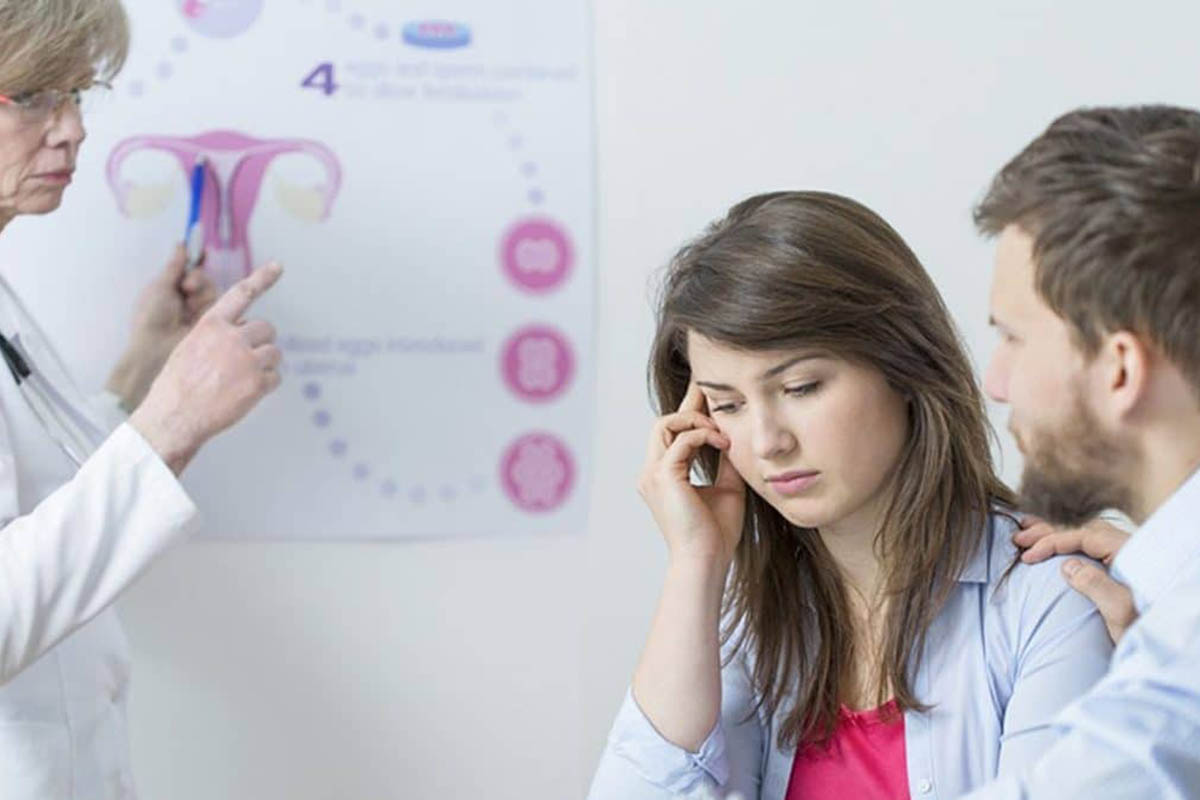
Open communication with your healthcare provider is essential when considering CBD as part of your fertility journey. Before incorporating CBD into your routine, schedule a dedicated consultation with your fertility specialist to discuss your interest in CBD support. This conversation is particularly important as it may influence your fertility treatment decisions and overall care plan.

Prepare for your appointment by documenting your reasons for considering CBD, any current supplements or medications you’re taking, and specific questions about potential interactions. Be honest about any CBD products you’re already using, as this information helps your healthcare team provide the most appropriate guidance.

Remember that your healthcare provider’s primary concern is your well-being and successful treatment outcomes. They may have varying views on CBD use, so approach the conversation with an open mind and be ready to discuss alternative options if recommended.

Key points to address with your provider include:
– Your specific fertility challenges and treatment plan
– Potential benefits and risks of CBD for your situation
– Quality and safety considerations for CBD products
– Proper dosing and timing if CBD is approved
– Monitoring protocol and follow-up care

Don’t hesitate to seek a second opinion if you feel your concerns aren’t adequately addressed. Some providers may have more experience with CBD and fertility support, and finding the right healthcare partner who aligns with your values and treatment preferences is crucial for your fertility journey.

As we’ve explored throughout this article, CBD’s potential role in fertility support is an emerging area that deserves careful consideration. While early research shows promise in managing stress, inflammation, and hormonal balance – all factors that can influence fertility – it’s essential to approach CBD use thoughtfully and with proper guidance.

Remember that every fertility journey is unique, and what works for one person may not work for another. Before incorporating CBD into your fertility support plan, have an open discussion with your healthcare provider about your specific circumstances, current medications, and overall health goals.

Stay informed about the latest research developments and always choose high-quality, tested CBD products from reputable sources. While CBD may offer potential benefits, it should be viewed as one component of a comprehensive approach to fertility support that includes proper nutrition, stress management, and overall wellness.

Your fertility journey is deeply personal, and you deserve to make informed decisions based on reliable information and professional guidance. With continued research and understanding, we hope to gain more clarity about CBD’s role in supporting reproductive health.

Leave a Reply

Your email address will not be published. Required fields are marked *