
If you’re vaping THCa while trying to conceive, understand that research on cannabis compounds and fertility is still emerging—but what we know suggests caution is warranted. Whether you’re using THCa products for pain management, stress relief, or other reasons, you deserve clear, judgment-free information about how they might affect your fertility journey.
The conversation around cannabis and conception isn’t simple. Many people turn to THCa for legitimate health concerns—chronic pain, anxiety, or inflammation—that also impact fertility. You’re not facing a black-and-white choice, and your reasons for using these products are valid and personal.
Current research indicates that cannabinoids can interact with reproductive hormones in both men and women, potentially affecting ovulation, sperm quality, and implantation. THCa converts to THC when heated during vaping, meaning you’re exposed to similar compounds that studies have linked to fertility concerns. However, individual responses vary significantly, and research specifically on THCa remains limited.
This article examines what science currently tells us about THCa vaping and fertility, explores how these compounds work in your reproductive system, and provides practical guidance for making informed decisions. Whether you’re just starting your conception journey or you’ve been trying for months, you’ll find evidence-based information that respects both your health goals and your autonomy.
Your fertility journey is uniquely yours—let’s explore how THCa fits into that picture.
Understanding THCa: What You’re Actually Inhaling
The Conversion Process: From THCa to THC
When you’re navigating fertility concerns, understanding what you’re putting into your body matters deeply. THCa in its raw form isn’t psychoactive—meaning it won’t produce the “high” associated with cannabis. However, vaping changes everything through a process called decarboxylation.
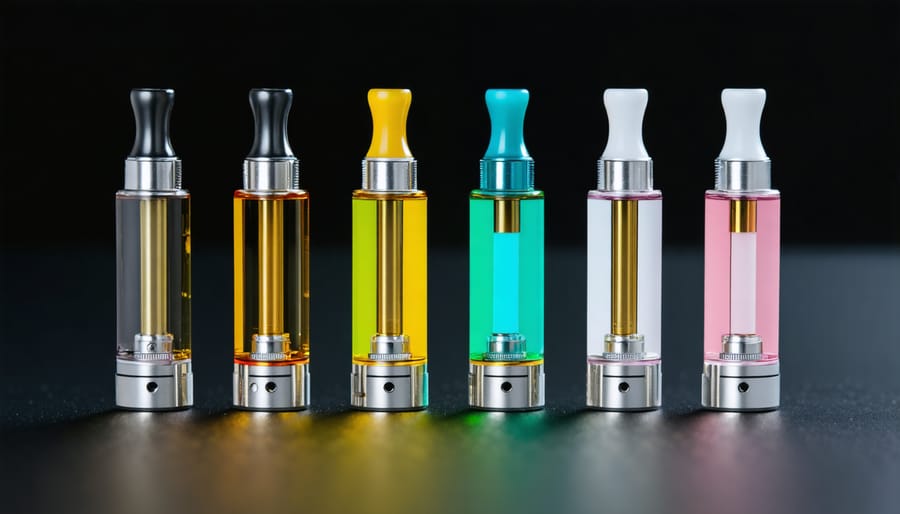
When you heat THCa through vaping (typically above 220°F), the heat breaks down the acid molecule, converting it into THC—the compound responsible for psychoactive effects. This transformation happens almost instantly when you inhale, meaning that vaping THCa is essentially the same as vaping THC.
Why does this matter for your fertility journey? Research on cannabis and reproductive health primarily focuses on THC, not THCa. When THCa converts to THC through vaping, you’re exposing your body to the same compound that studies have linked to potential fertility impacts—including changes in hormone levels, sperm quality, and ovulation patterns.
If you’ve been considering THCa vaping because you thought it might be a safer alternative during your fertility journey, it’s important to understand this conversion process. What begins as non-psychoactive THCa becomes active THC in your system, carrying the same considerations you’d want to discuss with your healthcare provider.
What’s Really in Your Vape Cartridge
When you’re trying to conceive, understanding what’s truly in your vape cartridge matters more than you might realize. While the THCa content gets most of the attention, other ingredients deserve your consideration too.
Most cartridges contain carrier oils like propylene glycol (PG), vegetable glycerin (VG), or medium-chain triglycerides (MCT oil) to help vaporize the THCa. While generally considered safe for ingestion, research on inhaling these substances—especially their effects on reproductive health—remains limited. When heated, some carrier oils can break down into compounds that may impact your body differently than the THCa itself.
Additionally, some products contain thinning agents, artificial flavorings, or preservatives. The quality control standards vary significantly between manufacturers, and unregulated products may harbor contaminants like pesticides, heavy metals, or residual solvents from the extraction process. These hidden ingredients could potentially affect your fertility journey in ways we’re only beginning to understand.
Just as concerns exist around CBD and fertility, the complete chemical profile of your vaping product matters. If you’re currently using THCa cartridges, consider asking your provider about lab testing results and ingredient transparency—you deserve to know exactly what you’re inhaling during this important time.
How THCa Vaping Affects Male Fertility
Sperm Count and Quality: What the Research Shows
Research into cannabis and male fertility has revealed some important patterns that deserve your attention if you’re navigating a fertility journey. Multiple studies have examined how cannabis use affects the male reproductive system, and while findings vary in scope, several consistent themes emerge.
Studies indicate that regular cannabis use may be associated with reduced sperm count and changes in sperm shape and movement. Some research suggests cannabis can affect hormone levels, including testosterone production, though the degree of impact appears to vary significantly between individuals. It’s worth noting that while THCa itself hasn’t been extensively studied in isolation, it converts to THC when heated during vaping, which means existing cannabis research likely applies.
What makes this particularly complex is that many studies examine heavy, long-term users, making it difficult to determine how occasional use or different consumption methods might affect fertility differently. Additionally, individual responses can vary based on factors like overall health, frequency of use, and genetic differences.
If you’re concerned about how THCa vaping might be affecting your fertility, this research doesn’t mean you should feel discouraged. Many effects appear reversible after stopping use, and having this information empowers you to make informed choices alongside your healthcare provider. Your fertility journey is unique, and understanding these potential impacts is one step toward supporting your reproductive health.
Timeline: How Long Does It Take to Impact Fertility?
Understanding the timeline of how THCa vaping might affect fertility—and how your body can recover—can help you make informed decisions during your fertility journey.
**When Effects May Begin**
The impact on sperm production can begin relatively quickly. Sperm take approximately 74 days to fully mature, meaning what you expose your body to today affects the sperm you’ll produce about two and a half months from now. Regular THCa vaping could potentially influence sperm quality during this development window, though individual responses vary significantly.
**The Recovery Timeline**
Here’s some encouraging news: changes to sperm parameters aren’t necessarily permanent. Research suggests that after discontinuing cannabis use, sperm health may begin to normalize within three to four months—roughly one complete sperm production cycle. Some men notice improvements in sperm count, motility, and morphology during this recovery period.
**What This Means for You**
If you’re actively trying to conceive or planning fertility treatment, discussing a timeline with your healthcare provider can be helpful. They might recommend temporarily pausing THCa use for at least three months before conception attempts or semen analysis testing.
Remember, everyone’s fertility journey is unique. Some people may see quicker recovery, while others might need more time. This isn’t about judgment—it’s about giving yourself the best possible opportunity for success while respecting your individual health needs and circumstances.
How THCa Vaping Affects Female Fertility
Menstrual Cycles and Ovulation
Understanding how THCa vaping might affect your menstrual cycle is an important piece of your fertility puzzle. When THCa is heated and converted to THC through vaping, it interacts with your body’s endocannabinoid system—a network that plays a significant role in female reproductive health and hormone regulation.
Research suggests that THC may influence the delicate hormonal balance required for regular ovulation. Some studies have found that cannabis use can affect the timing of luteinizing hormone (LH) surges, which trigger egg release each cycle. This doesn’t mean your cycle will necessarily become irregular, but it’s worth being aware of if you’re tracking ovulation or experiencing unexplained cycle changes.
There’s also emerging research exploring THC’s potential impact on egg quality, though scientists are still working to understand the full picture. What we do know is that the endocannabinoid system helps regulate follicle development and ovarian function—processes essential for healthy eggs.
If you’re noticing changes in your cycle length, ovulation patterns, or period regularity since starting THCa vaping, it’s worth discussing with your healthcare provider. They can help you evaluate whether these changes might be related to vaping or other factors affecting your fertility journey. Remember, everyone’s body responds differently, and what affects one person may not impact another the same way.
Early Pregnancy and Implantation Concerns
If you’ve been using THCa products and discover you’re pregnant, it’s natural to feel concerned—and you’re not alone in wondering what this means for your developing baby. The earliest weeks of pregnancy are critical for implantation and embryonic development, which is why understanding the potential impacts is so important.
Research suggests that cannabis compounds, including THC (which THCa converts to when heated during vaping), can cross the placental barrier and potentially affect fetal development. While specific studies on THCa itself are limited, what we know about THC indicates it may interfere with the delicate processes happening during early pregnancy, including implantation and the formation of vital organs.
If you’re trying to conceive or there’s any possibility you might be pregnant, the safest approach is to discontinue THCa vaping immediately. We understand this might feel overwhelming, especially if you’ve been using these products to manage pain, anxiety, or other challenges during your fertility journey. You deserve compassionate support, not judgment.
Reach out to your healthcare provider right away—they can help you navigate this situation with personalized guidance. They may recommend an early ultrasound to confirm pregnancy viability and can discuss alternative approaches to managing any symptoms you’ve been addressing with THCa. Remember, seeking help is an act of care for both yourself and your potential baby. Many people have been in similar situations and have gone on to have healthy pregnancies with appropriate support and medical guidance.
The Research Gap: What We Know and What We Don’t
Here’s the honest truth: we’re working with incomplete information when it comes to THCa vaping and fertility. While researchers have studied cannabis and reproductive health for years, THCa specifically—especially when vaped—remains largely uncharted territory.
Most existing fertility research focuses on THC (the compound THCa becomes when heated) and traditional smoking methods. We know that THC can affect hormone levels, sperm quality, and ovulation, but translating these findings to THCa vaping isn’t straightforward. The delivery method matters, the dosage matters, and individual body chemistry matters enormously.
Why the research gap? Several reasons make these studies challenging. Cannabis remains federally restricted in many places, limiting research funding and access. Studying fertility takes time—you can’t measure reproductive outcomes in weeks or months. Additionally, people rarely use cannabis products in isolation, making it difficult to isolate THCa’s specific effects from other external factors affecting fertility like stress, diet, or other substances.
What does this mean for you? It means making decisions without perfect information—something you’re likely already navigating on your fertility journey. This uncertainty doesn’t mean THCa vaping is safe, nor does it mean you should panic if you’ve used it. It means approaching the decision thoughtfully, weighing what we do know about cannabis and fertility against your personal circumstances.
If you’re using THCa for pain management, anxiety, or other legitimate reasons, this conversation becomes even more nuanced. There’s no judgment here—only the acknowledgment that you deserve complete information to make the choice that’s right for your body and your family-building goals.
Real Talk: Balancing Stress Relief and Fertility Goals

Alternative Stress Management Options
If you’re experiencing stress, anxiety, or discomfort during your fertility journey, you have several evidence-based options that won’t compromise your reproductive health:
**Mind-body practices** like meditation, yoga, and deep breathing exercises have shown promise in reducing fertility-related stress. Many fertility clinics now offer guided sessions specifically designed for people navigating treatment.
**Acupuncture** is increasingly recognized as a complementary therapy that may help with stress management and even support certain aspects of fertility treatment, though always discuss this with your healthcare provider first.
**Professional counseling** with a therapist specializing in infertility can provide invaluable emotional support. There’s no shame in seeking help—the fertility journey is genuinely challenging, and you deserve support.
**Gentle movement** like walking, swimming, or prenatal-friendly exercise classes can naturally boost mood-regulating hormones without any fertility risks.
**Support groups**—whether in-person or online—connect you with others who truly understand what you’re experiencing. Sometimes, knowing you’re not alone makes all the difference.
Remember, choosing healthier stress management doesn’t mean judging yourself for past choices. It’s simply about giving yourself the best possible foundation moving forward.

Making the Right Choice for Your Fertility Journey
Questions to Ask Your Fertility Specialist
Having an open conversation with your fertility specialist helps you make informed decisions for your unique situation. Consider bringing these questions to your next appointment:
**About Your Specific Situation:**
– “Based on my fertility diagnosis and treatment plan, how might THCa vaping specifically affect my chances of success?”
– “Are there particular stages of my cycle or treatment where THCa use would be most concerning?”
– “If I’m using cannabis products for pain, anxiety, or nausea related to my fertility journey, what alternatives might you recommend?”
**About Timing and Planning:**
– “How long should I stop using THCa products before trying to conceive or starting treatment?”
– “What about my partner—should they also discontinue use, and for how long?”
**About Your Treatment:**
– “Could THCa interact with any of my fertility medications or affect my fertility treatment options?”
– “Should I expect testing or monitoring related to cannabis use?”
Remember, your doctor’s role is to support you without judgment. Being honest about your current or past use helps them provide the most personalized, effective care for your fertility journey.

Making decisions about THCa vaping while navigating your fertility journey isn’t simple, and it shouldn’t be. These choices involve weighing what matters most to you—managing stress or pain, maintaining your well-being, and protecting your reproductive health. There’s no one-size-fits-all answer, and you shouldn’t feel pressured to find one.
What you deserve is complete, honest information without judgment. The research on cannabis and fertility is still evolving, but the evidence we have suggests that caution is warranted, especially when actively trying to conceive. At the same time, we recognize that many people turn to cannabis products for legitimate reasons—chronic pain, anxiety, or finding moments of relief during an already stressful journey.
The encouraging truth is that while you can’t control every factor affecting your fertility, you can make informed choices about the ones within your reach. Whether you decide to eliminate THCa vaping, reduce your use, or explore alternatives with your healthcare provider, you’re taking active steps toward your goals. That matters.
You’re not alone in weighing these difficult decisions. Countless others are navigating similar questions, balancing their immediate needs with their long-term hopes. Give yourself permission to ask questions, seek support, and make the choice that feels right for your unique situation. Your journey is valid, and so are the decisions you make along the way.