
Endometriosis

Printer-friendly versionPrinter-friendly version

by
K. I. Lie, M.D., F.R.C.S.(C.)
Summer 2008

What is endometriosis?

The inner lining of the uterus is called the endometrium, a layer of cells that gradually thickens every month, until it is shed in response to the hormonal changes of a woman's menstrual period. If these endometrial cells grow anywhere else outside the uterine cavity, then it is called endometriosis. In most women, this disease is accompanied by symptoms that can frequently become quite disabling: cyclic pain (dysmenorrhoea), chronic pelvic pain, chronic fatigue, pain during sexual intercourse, painful bowel movements, bloating and infertility, among others. Although endometriosis can develop anywhere in the body, the most frequent location is in the pelvis, typically in the area just behind the uterus, called the cul-de-sac, which contains two ligaments, called uterosacral ligaments. Cul-de-sac endometriosis causes a number of the common symptoms just mentioned. Some patients describe a deep, churning pain in the pelvis or perineum or a deep-seated pain when sitting down. Because this area is right at the top of the vagina, painful intercourse can easily occur. And because it is also very close to the recto-sigmoid colon (the large bowel), it can cause painful bowel movements, bloating, diarrhea, and constipation. Given these symptoms, endometriosis can be mistaken for irritable bowel syndrome.

Moderate to severe endometriosis may easily cause infertility, as there is usually damage to the mechanism of the fallopian tubes and ovaries. Infertility in minimal to mild cases, however, is more difficult to explain. The current belief is that endometriosis can produce certain chemicals which interfere with the maturation of the egg, interaction between the eggs and sperm, or the function of the fallopian tube, which picks up the egg once an ovulation occurs. Yet there are many instances of patients with proven endometriosis who have absolutely no difficulty conceiving.

How does endometriosis develop?

There are many theories about why endometriosis develops. Is the cause genetic, immunological or environmental? Much of the current research is geared toward these areas. The most common explanation, however, involves what is known as retrograde bleeding (reflux) during menstruation, in which menstrual fluid seeps back through the fallopian tubes and into the abdominal cavity. The endometrial cells then are somehow able to grow in the surrounding tissue and develop into endometriosis. One of the problems with this theory is that 90% of women have retrograde bleeding; but the majority of these women do not develop endometriosis. The current belief is that there is an immunological defect that allows endometriosis to grow in certain women. Genetics may also play a role, since daughters of mothers who have endometriosis have an increased incidence of endometriosis.

Incidence

Although it is very difficult to research this area, it is the current belief that approximately 10% of the female population in the reproductive age group in North America suffers from endometriosis. But endometriosis has also been discovered in children before their menstruation has started, and in adult women of the post-menopausal age group. The incidence of endometriosis, diagnosed by laparoscopy, in the normal infertile couple is approximately in the 30% range. Teenagers who suffer from disabling dysmenorrhoea - menstrual pain severe enough to make them miss school classes - are frequently told that this is a normal female problem, which they must learn to live with. In fact, in teenagers who suffer significantly from severe disabling dysmenorrhoea there is an approximate 50% chance that the cause is endometriosis. Appropriate understanding and treatment are important in this age group.

How is endometriosis diagnosed?

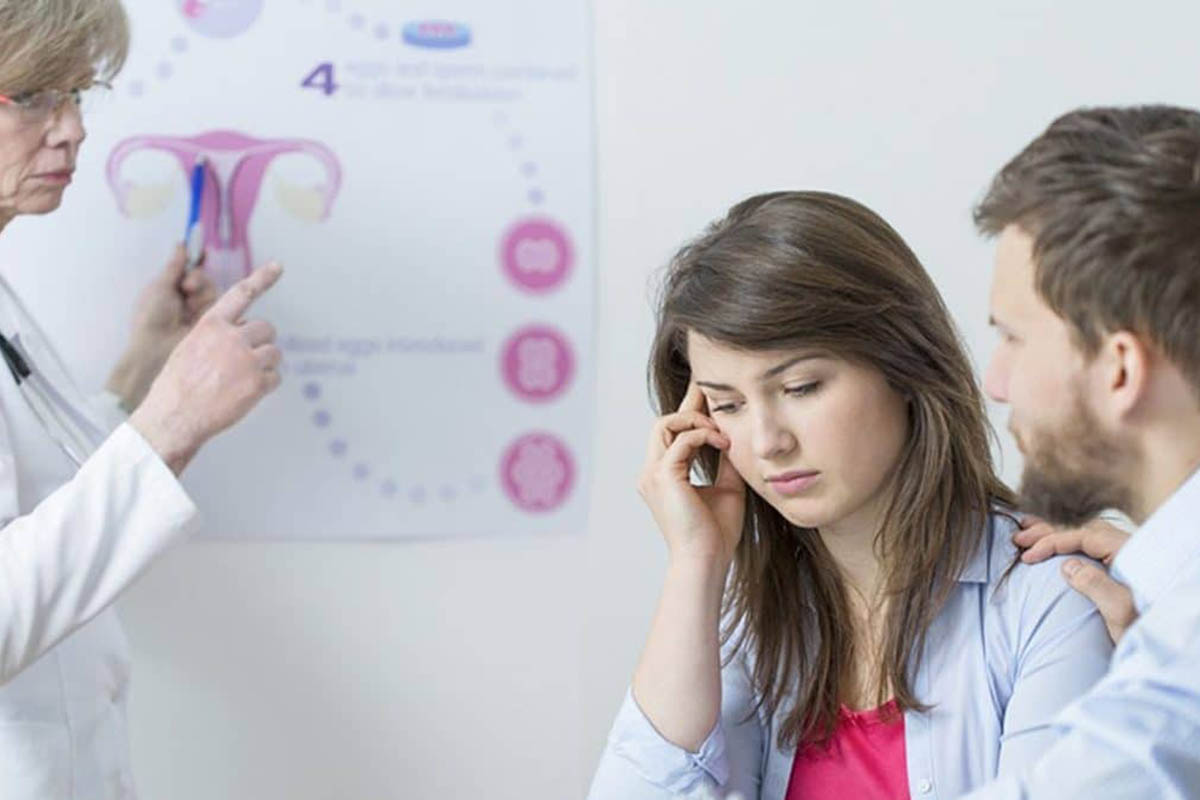
A high degree of awareness of endometriosis is the key point when taking the history of patients who may have this disease. Severely painful periods, painful intercourse, chronic fatigue and infertility; bowel symptoms such as painful movements, bloating, diarrhea and constipation - the presence of one or any combination of these symptoms of endometriosis should put both the patient and the doctor on the alert. During the physical examination, findings of nodular lesions in the cul-de-sac or uterosacral ligaments behind the uterus should trigger a high suspicion of endometriosis.

Ultrasound can be a very helpful tool to rule out the presence of cysts. Endometriosis cysts (endometriomas) frequently have a very typical look on ultrasound and experienced ultrasonographers can frequently diagnose them.

The ultimate tool to confirm the presence of endometriosis, of course, is an operation called laparoscopy, also commonly known as keyhole surgery, an out-patient procedure performed under general anaesthesia. A small incision is made just below the umbilicus (navel) and a small telescope is introduced through small 5-millimetre additional incisions in the lower abdomen to better visualize the pelvic organs. Great progress has been made in the past ten years in identifying endometriosis, which frequently shows up in "typical powder burn" type lesions or, more frequently atypical lesions in the form of red, white, clear, hemorrhagic, hidden lesions. Endometriotic lesions, once identified, can usually be excised during the same procedure, using either laser surgery or electrosurgery and can be submitted for pathological confirmation.

Treatments for endometriosis

There is no single treatment of endometriosis that is good for everyone. We still do not know the cause of endometriosis, and therefore the condition, even if treated, can recur. Therefore, treatment should always be individualized. It should be worked out specifically for each particular patient, depending upon the symptoms, the patient’s quality of life, the risks the patient is willing to take in treatment, and the expertise of the physician in that particular mode of treatment. For a teenager with severe dysmenorrhoea, for instance, taking the birth control pill might be the treatment of choice, and the resulting pain relief might be sufficient to justify avoiding the risks of laparoscopic surgery. On the other hand, surgery would be the treatment of choice for a patient in her twenties with a history of infertility, pain, and large ovarian endometrioma cysts.

Awareness about endometriosis among the public and the medical profession seems to have increased in the last few years, due in part, no doubt, to the tireless efforts of the Endometriosis Association, a support group based in Milwaukee, Wisconsin, with affiliates in Canada and worldwide. But despite hundreds of papers that have been produced in this field, the decision to embark upon a specific course of treatment can be difficult. Every patient should collect as much information as possible in order to educate herself, and then discuss her specific situation with her treating physician. The treatment options for endometriosis vary according to whether the treatment is for enhancement of fertility or for the management of pain. Here are some facts which patients and their doctors should know.

Infertility

Current research has shown that present drug treatment for endometriosis does not increase a patient's ability to conceive. Endometriosis has four stages: (1) minimal, (2) mild, (3) moderate and (4) severe. In stages 3 and 4 endometriosis, surgery can be of benefit, since it improves the anatomy of the pelvis, especially the fallopian tubes and ovaries, and thus may enhance the chances of conceiving. Recently, however, a large Canadian study has shown that even stage 1 and stage 2 patients benefit from laparoscopic surgery in terms of enhancing fertility.

Surgery can entail laparoscopy or laparotomy, performed through laser or electrosurgery. A laparoscopy, as mentioned before, is a procedure performed through small, 5- to 10-millimetre incisions. Laparotomy is the traditional style of surgery, in which a large, 10- to15-centimetre incision is made in the abdomen to obtain access to the pelvic organs. The success rate of laparoscopic surgery, if performed by an experienced gynecologist, is at least equal to that of a laparotomy. The hospital stay is much shorter, morbidity is lower and patients can return to the workforce much faster. However, the patient should be aware that besides the normal surgical risks of anaesthesia, infection and bleeding, there is the possible risk of injury to blood vessels, nerves and pelvic organs.

Patients frequently read about laser surgery versus electrosurgery. The CO2 laser is a very effective tool when excising endometriotic lesions, but so too is electrosurgery in experienced hands. A highly skilled surgeon using electrosurgery can have better success than a less well-trained surgeon using CO2 laser surgery. Remember, the tool is only as good as the person using it.

Management of endometriosis for pain

Treatment options for pain become more complex. Again, it should be stressed that treatment should be individualized.

Medical treatment. The increased production of "bad" prostaglandin in patients suffering from endometriosis can explain many of the symptoms, including dysmenorrhoea, bowel symptoms such as bloating, diarrhea and constipation, and bladder instability. These prostaglandins can irritate the smooth muscles, which are the muscles of the bowel, bladder and reproductive organs. Simple analgesics, in the form of antiprostaglandins like NSAIDS (nonsteroidal anti-inflammatory drugs), can be tried before any of the possible hormonal treatments. Patients should be aware of the possible gastrointestinal side effects of this type of medication.

The birth control pill. The preferred pill is the mono-phasic pill. In patients who require birth control in addition to their pelvic pain treatment, this might be a very effective option. The birth control pill can be taken in a cyclic or non-stop fashion.

Depot-Provera is another popular birth control method frequently used for the treatment of endometriosis. The side effects of all these options, of course, should be discussed with the patient before initiating treatment. More specific medical options of treatment are GnRH analogues (Lupron, Synarel, Zoladex, etc.) and Danazol. GnRH analogues induce an artificial menopausal state, which can significantly decrease the patient's pain; but side effects - hot flashes, mood swings, weight gain, dryness of the vagina, decreased libido and osteoporosis - can be significant. Danazol is another specific hormonal treatment for endometriosis, which induces amenorrhoea (absence of menstruation). The side effects are male-hormone-type side effects such as oily skin, acne, increased hair growth, possible voice changes, muscle cramps and elevated liver function.

The decision to choose a treatment option depends upon the specific situation of the patient and the contraindication specifically for this situation. There are a few new drugs coming on the market and studies will show whether they are more or less effective than the current options of treatment. Among these drugs are the aromatase inhibitors and the Mirena IUD.

Surgery. If preservation of the reproductive organs is important, then laparoscopic surgery is a very effective treatment option, provided the patient is willing to accept the risks of surgery. It is important that the surgeon recognizes and removes all visible lesions for the treatment to be successful. Patients with significant pain most likely have very deep lesions and in these cases excision of these lesions is the treatment of choice. Cauterization or ablation of the endometriotic lesions is generally not as effective.

If childbearing is not an important factor any longer, or if all other treatment options have failed, then a hysterectomy and removal of both ovaries could give a patient a significant chance of becoming pain-free. However, she would then be in a menopausal state and would have to deal with the symptoms and side effects of menopause, including the side effects of hormone replacement therapy. In spite of this type of aggressive treatment, there is still a small possibility that a patient might continue to experience chronic pelvic pain after this operation.

What other options does an endometriosis patient have to improve her quality of life?

Mind-body interactions are increasingly becoming a major component in the treatment of chronic illnesses in pain clinics and cancer units. These kinds of treatment options are different from the traditional Western treatment options. Acupuncture, which has become more and more accepted in Western medicine, can offer significant pain relief; unfortunately it is not a benefit of the provincial health plan. Chinese meditative exercises (Qigong) have always been a part of Chinese medicine and could be an effective tool for a patient, provided that she is able to exercise on a daily basis. She must also learn Qigong from an experienced teacher. Yoga and Tai Chi are also frequently offered as meditative-type exercises to help patients control pain.

In early 2004, the Canadian Food Inspection Agency released a study showing that farmed salmon has a high content of pollutants, including PCBs and dioxins. Previous reports also show that Canadian meats and milk products could contain an increased amount of environmental toxins, including dioxin. The Endometriosis Association sponsored a study, which showed that 79% of monkeys exposed to dioxin in their food developed endometriosis; the severity increases with the amount of exposure. Since dioxin is one of the most severe environmental toxins and is implicated as a cause of cancers, it is worthwhile for the patient to educate herself so as to decrease the intake of this pollutant and make the necessary dietary changes. There is also a possibility that certain foods in one's diet can increase pain, such as meats and milks that contain more arachidonic acid - a precursor of type 2 prostaglandins, which are known to increase pain.

Sugar is another major problem in the North American diet. The intake of sugar in the North American diet is so high that it is bound to create problems. Dr. John Mathias, a neurogastroenterologist in Houston, Texas, feels that this high intake of refined sugar and refined flour leads to an increase of insulin, which then results in the increase of prostaglandin production, causing significant pain from the smooth muscles of the gastrointestinal tract and the reproductive organs.

The Canadian Cancer Society has always maintained that a good diet and exercise program can significantly decrease the risk of certain cancers. For endometriosis patients, it is well worthwhile to look into these options, and make the necessary lifestyle changes to improve their quality of life.

Information about endometriosis

Endometriosis Association, International Headquarters, 8585 N. 76th Place, Milwaukee, WI 52223, USA.

About the author

Born in Jakarta, Indonesia, Dr. K. I. Lie obtained his medical degree from the University of Heidelberg, in Germany. He served his internship in West Berlin and at Women's College Hospital in Toronto, and his residency in Obstetrics and Gynaecology at the University of Toronto. He obtained his F.R.C.S.(C.) in 1976 and later did post-graduate studies in infertility at the University of Southern California. On his return to Toronto, he started his practice as an OB/GYN at Toronto General Hospital, where he developed the Gyn Microsurgical program for tubal surgery. In the 1980s he was a co-founder of the IVF program at Toronto General Hospital, and also began to develop the hospital's operative laser laparoscopy program, which he has continued at Women's College Hospital as director of the Gyn Laser Endoscopy Unit. At Women's College Hospital, Dr. Lie developed a multi-disciplinary approach to the treatment of advanced endometriosis. His main focus of practice at present is infertility and advanced laparoscopic surgery, especially for endometriosis patients. Dr. Lie's unit has become a major teaching centre for this type of surgery and on July 1, 2002 became the only major teaching centre for GYN endoscopy surgery in Canada to be accredited by the American Association of Gynaecological Laparoscopists (AAGL). Dr. Lie is also investigating various options for managing patients suffering from chronic pelvic pain. In 1994 Dr. Lie was a co-recipient of the Colin Woolf Award for Post Graduate Teaching, awarded for his work in organizing numerous post-graduate courses for Canadian physicians on the technique of advanced operative laparoscopy.

Privacy Policy Sitemap Donate Contact


© 2006-2010 IAAC
Infertility Awareness Association of Canada
2160 Nightingale Ave
Montreal, QC H9S 1E4
Tel: 514 484-2891
Toll free: 1 800 263-2929