Female Infertility and the Thyroid

Printer-friendly versionPrinter-friendly version

by Sharon Cunnigham
Fall 2006

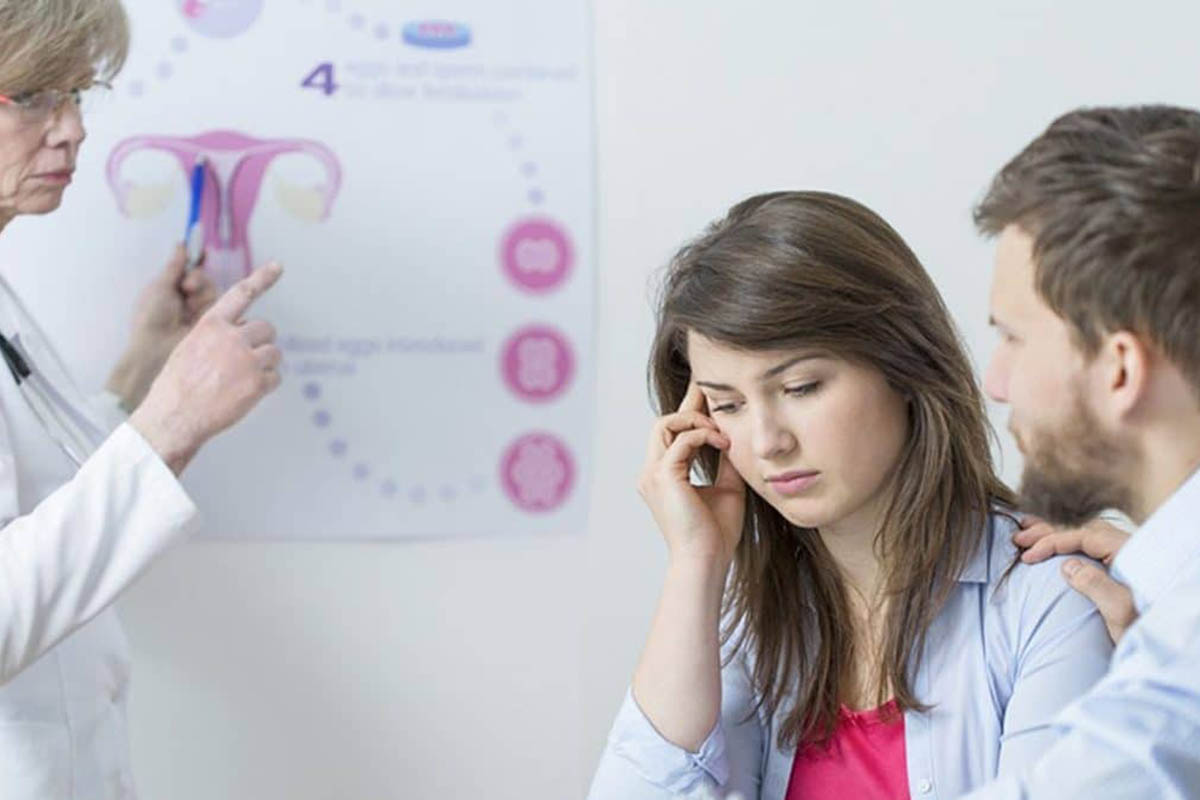
Assisted reproductive technology (ART) is used by couples who have previously had difficulty conceiving. The techniques have also had the effect of revealing further knowledge about the causes of reproductive failure. One of these is related to the role of the thyroid.

What is the Link between the Thyroid and Fertility?

Thyroid dysfunction has been shown to adversely affect fertility. The thyroid has an autoimmune function, which many studies have linked to conception failure. Among the various influences on infertility are immunologic factors, which may play an important role in the reproduction processes of fertilization, implantation and fetal development. Various investigations support the association between reproductive failure and abnormal immunological test results, including anti-phospholipid, antinuclear antibodies and organ-specific autoimmunity, which is where the thyroid comes into the picture.

Thyroid dysfunction is a condition known to reduce the likelihood of pregnancy. Additionally, abnormal thyroid hormones disturb the normal menstrual pattern. Hypothyroidism (an under active thyroid ) is prevalent in women of reproductive age and is defined as an abnormally elevated TSH (thyroid stimulating hormone) concentration. Several factors affect hypothyroidism, including age and dietary iodine status.

In women of fertile age, AITD (thyroid autoimmunity) is undoubtedly the most common cause of hypothyroidism, and usually means that thyroid peroxidase antibodies are present in the system. Hypothyroidism is associated with a range of reproductive disorders, from abnormal sexual development to menstrual irregularities and infertility. Autoimmune abnormalities have been investigated for possible associations with reproductive failure. There are two key aspects of thyroid autoimmunity (AITD): firstly AITD is the most common autoimmune disorder in the female population, affecting 5–10% of women of childbearing age, and secondly it is the most frequent cause of thyroid failure (sub-clinical and overt hyperthyroidism). Furthermore, AITD can be present without thyroid dysfunction and thus often goes undiagnosed.

There are numerous studies that examine the prevalence of AITD in patients with infertility, which suggest that there is an increased prevalence of AITD in infertility clinics. However, these studies are often of groups of women who all have infertility problems, they are often of retrospective in design, and usually have no control data against which to compare the results.

Furthermore, there are vast differences in sample size between studies, not to mention methods of detection of AITD and variations in geographical locations. In other words, the study of AITD in relation to infertility indicates that there is a causal link but more stringent research could benefit the area.

Studies indicated that in women with AITD, 44% had endometriosis (form of infertility), compared with only 9% of women without AITD. This association between AITD and endometriosis suggests the role of immunity in this disease. System levels of antibodies, cell immunity, and activity indicate that the immune system, which is influenced directly

by the thyroid, may thus determine who will develop endometriosis. Furthermore, in most studies, the presence of thyroid antibodies carried a significant increased risk of subsequent miscarriage in the first trimester of pregnancy.

What are the Signs of Thyroid Malfunction?

In children, symptoms of thyroid malfunction include delayed sexual maturity. This can be reversed with thyroid hormone supplementation. In adult women, more common ovulatory disorders associated with hypothyroidism include irregularities in the menstrual cycle, such as changes in cycle length and blood flow, as well as hirsutism (excessive or increased bodily hair). Menorrhagia (increased blood flow) is the most prevalent symptom and occurs in 60% of overt hypothyroid women.

Severe hypothyroidism is commonly associated with failure of ovulation, but ovulation and conception can still occur in milder hypothyroidism. The impact of hypothyroidism on menstrual function and ovulation is related to numerous interactions of thyroid hormones with the female reproductive system.

The most common cause of hyperthyroidism in women of reproductive age is Graves’ disease; other causes are toxic goiter and thyroiditis.

Since undiagnosed and untreated thyroid disease can be a cause for infertility or recurrent miscarriage. There are several things you can do, if you have not already been treated:

  1. Ask your doctor for a TSH (thyroid stimulating hormone) test, with the full panel of thyroid levels including Free Thyroxine (Free T4) and thyroid antibodies.
  2. Find out the actual numerical result for the TSH level, and don't accept "the result was normal," as a complete answer.
  3. Look at the TSH level. At most labs, normal range is approximately 0.5 to 5.5, but some endocrinologists believe that a woman with suspected thyroid disease may have difficulty getting pregnant and/or maintaining a pregnancy at a TSH higher than 2.0.
  4. If your TSH is "high-normal" and/or you had elevated antibodies, and your doctor is not willing to treat you, find a doctor or endocrinologist who has a good success rate working with thyroid-related infertility.
  5. Ensure that you are ovulating, by using a fertility awareness method, and/or ovulation predictor.                                                                                    


What can be Done About It?

In the general population, screening for mild thyroid dysfunction is cost effective compared with other generally accepted preventive practices. There are other benefits of screening the population over 35 years of age:

  • avoiding progression to overt hypothyroidism;
  • monitoring serum cholesterol levels in patients with hypercholesterolemia; and
  • reversing potentially unrecognized symptoms of thyroid hormone deficiency.  

If thyroid dysfunction is found during the screening process, levo-thyroxine (LT4) is a drug that can be used to treat it. Women with AITD the risk of an early miscarriage is significantly increased, by two- and up to five-fold. The risk during pregnancy for a woman with AITD and her unborn child can be reduced considerably with early administration of LT4.

Treatment with LT4 is straightforward and has been shown to normalize PRL levels, to restore normal LH responses to its releasing hormone, to revert menstrual disturbances to normal levels, and increase spontaneous fertility. Given the potential implications of hypothyroidism on ovulatory function, screening is certainly recommended in the presence of OD.

Screening and treating of thyroid failure in infertile women can be beneficial in the following ways:

-         potential reversal of infertility

-         avoidance of expensive ART procedures

-         avoiding the evolution to overt thyroid dysfunction in pregnancy,

-         avoiding the increased risk of miscarriage and postpartum thyroiditis and depression.

If overt thyroid dysfunction or sub-clinical hypothyroidism is detected, treatment is advised.

Summary

Thyroid autoimmunity is significantly more common in infertile women and especially in women with endometriosis, compared with fertile women of reproductive age. This is because thyroid hormones interfere with numerous aspects of reproduction. Hypo- and hyperthyroidism can also disturb the normal menstrual pattern. Overt thyroid dysfunction should be treated in infertile women before an assisted fertilization procedure is planned. Since sub-clinical hypothyroidism has a negative impact on pregnancy rate after ART, treatment is advised.

 
Privacy Policy Sitemap Donate Contact


© 2006-2010 IAAC
Infertility Awareness Association of Canada
2160 Nightingale Ave
Montreal, QC H9S 1E4
Tel: 514 484-2891
Toll free: 1 800 263-2929